

Most business owners wake up into chaos.
Messages already piling up. Customers waiting for replies. Orders needing confirmation. Staff asking what to do next.
The day starts before the business is even ready.
This is what running a manual business feels like. Constant pressure, constant decisions, constant catching up.
But in a system-driven business, the experience is completely different. The day is not controlled by messages or interruptions. It is controlled by structure.
This is where automation changes everything.
Because when systems handle the routine work, the business stops reacting and starts operating with intention.
Morning: The Business Already Running
In a manual business, the morning usually starts with catching up. Messages from the night before, missed inquiries, and urgent customer requests all demand attention at once.
But in a system-driven business, the morning looks different.
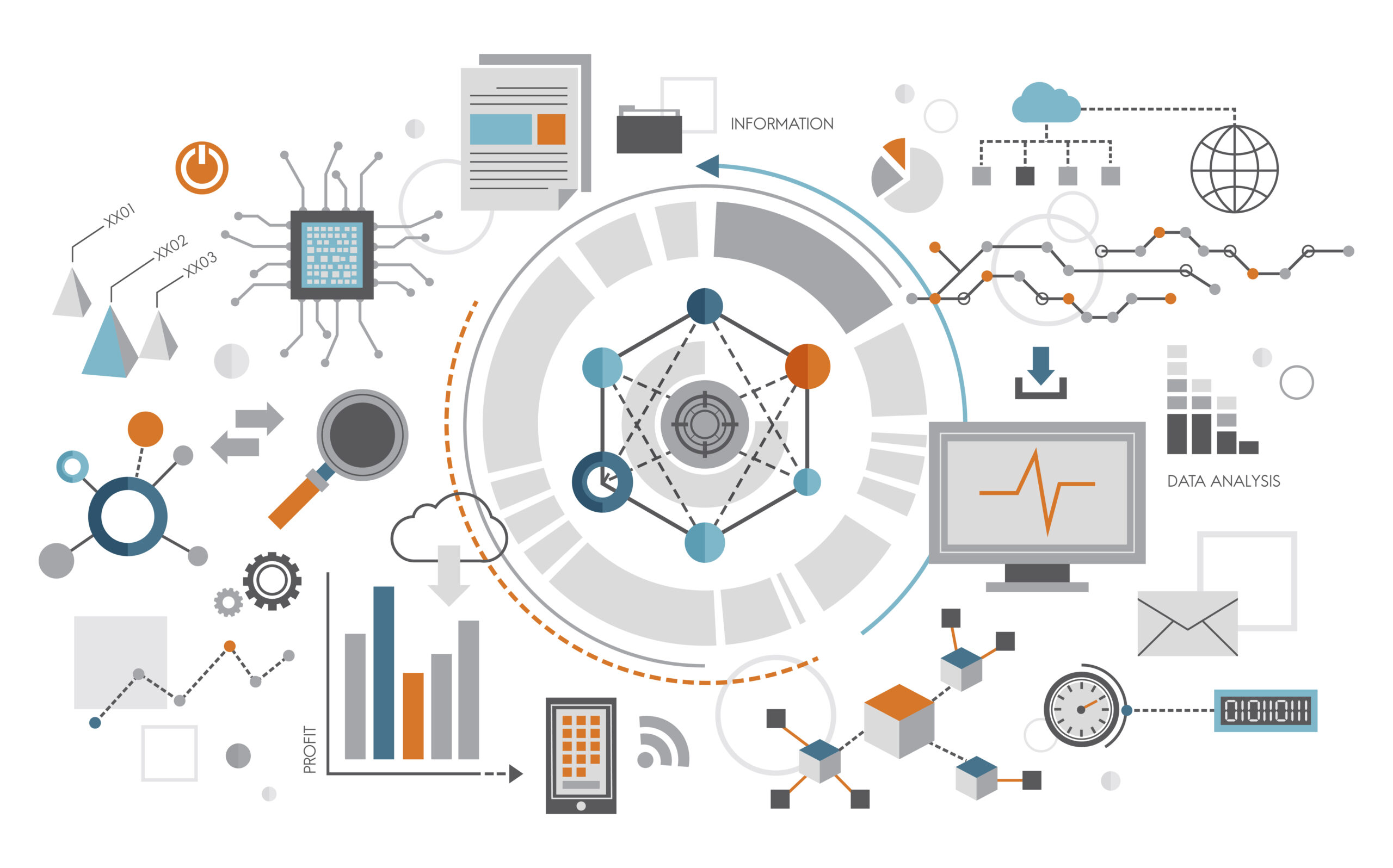
Before anyone even opens their laptop or phone, the system has already been working. Orders have been logged. Bookings have been confirmed. Customer requests have been organized automatically.
Nothing is waiting in confusion because everything has already been processed through structured flows.
Instead of starting the day in panic, the business starts in control.
This is the first major impact of automation—it removes the backlog that normally defines the start of the day.
Mid-Morning: Focus Instead of Firefighting
As the day continues, manual businesses shift into problem-solving mode. Every few minutes, something new needs attention. A missed message. A customer asking for clarification. An order that needs correction.
The business owner becomes a coordinator instead of a leader.
In a system-driven setup, this changes completely.
Because the repetitive tasks are already handled, attention is no longer scattered. Instead of reacting to problems, the business focuses on improving performance.
Staff know exactly what needs to be done. Customers receive consistent communication without delays. Information flows through one structured system instead of multiple conversations.
This is where automation begins to create mental space. Not just operational efficiency, but clarity.
Afternoon: Predictable Flow of Operations
By the afternoon in a manual business, fatigue usually starts to show. The constant switching between tasks slows everything down. Mistakes become more likely. Communication becomes less consistent.
But in a system-driven business, the flow remains stable.
Orders continue to move through the system in an organized way. Customer interactions are guided instead of manually managed. Nothing depends on memory or constant supervision.
Even during peak hours, the structure holds.
This is where businesses start to feel the real advantage of automation. Not because work disappears, but because chaos is removed from the process.
The business no longer feels like it is being pushed forward manually. It feels like it is running on structure.
Evening: The Business Still Operating
In most manual businesses, the evening means shutdown. Messages are left unanswered. Orders are postponed. Customers are told to wait until the next day.
Revenue stops when attention stops.
In a system-driven business, the situation is different.
Even when the owner is no longer active, the system continues operating. Customers can still interact with the business. Orders can still be placed. Bookings can still be confirmed.
The business does not depend on presence to function.
This is one of the most powerful outcomes of automation—it removes time limitations from operations.
The business does not stop when the owner stops.
Real-World Scenario
Imagine two identical businesses operating in the same industry.
One is fully manual. The owner manages everything through messages, calls, and direct communication. Every customer requires attention. Every order needs confirmation.
The other business is system-driven. Customers interact through structured processes. Orders are captured automatically. Communication follows predefined flows.
Now compare their daily experience.
The manual business spends most of its time reacting. The system-driven business spends most of its time managing growth.
One is overwhelmed. The other is controlled.
Both may have the same demand, but only one is built for scale.
This is the difference automation creates in real operations.
What This Means for Your Business
If your business still depends on manual processes, your daily experience will always feel heavy.
More customers will not fix that. More staff will not fix that either.
The problem is not workload. The problem is structure.
When systems are introduced, the way the business operates changes completely. Repetitive tasks are handled automatically. Communication becomes consistent. Operations become predictable.
Instead of managing every detail manually, you start managing the system that handles those details.
This shift is what allows businesses to grow without increasing stress.
And this is where automation becomes essential, not optional.
Final Thought
A business without systems runs on effort. A business with systems runs on structure.
One depends on constant attention. The other continues operating even when attention is not there.
The difference is not just efficiency. It is freedom.
Because when automation is done properly, the business stops controlling your day—and starts supporting it.
If your business is ready to scale:
👉 Apply now to be selected.