

Most guest houses rely heavily on third-party platforms to fill rooms.
At first, it feels like a win. More exposure, more visibility, and a steady flow of guest bookings coming in from booking apps and travel sites.
But over time, a hidden problem starts to appear.
You are not building your own customer base. You are renting it. And every booking comes with a cost—commissions, platform dependency, and limited control over your own guests.
This is where many guest house owners lose long-term growth without realizing it.
Because real stability does not come from platforms. It comes from direct systems that bring guests to you without middlemen.
The Problem
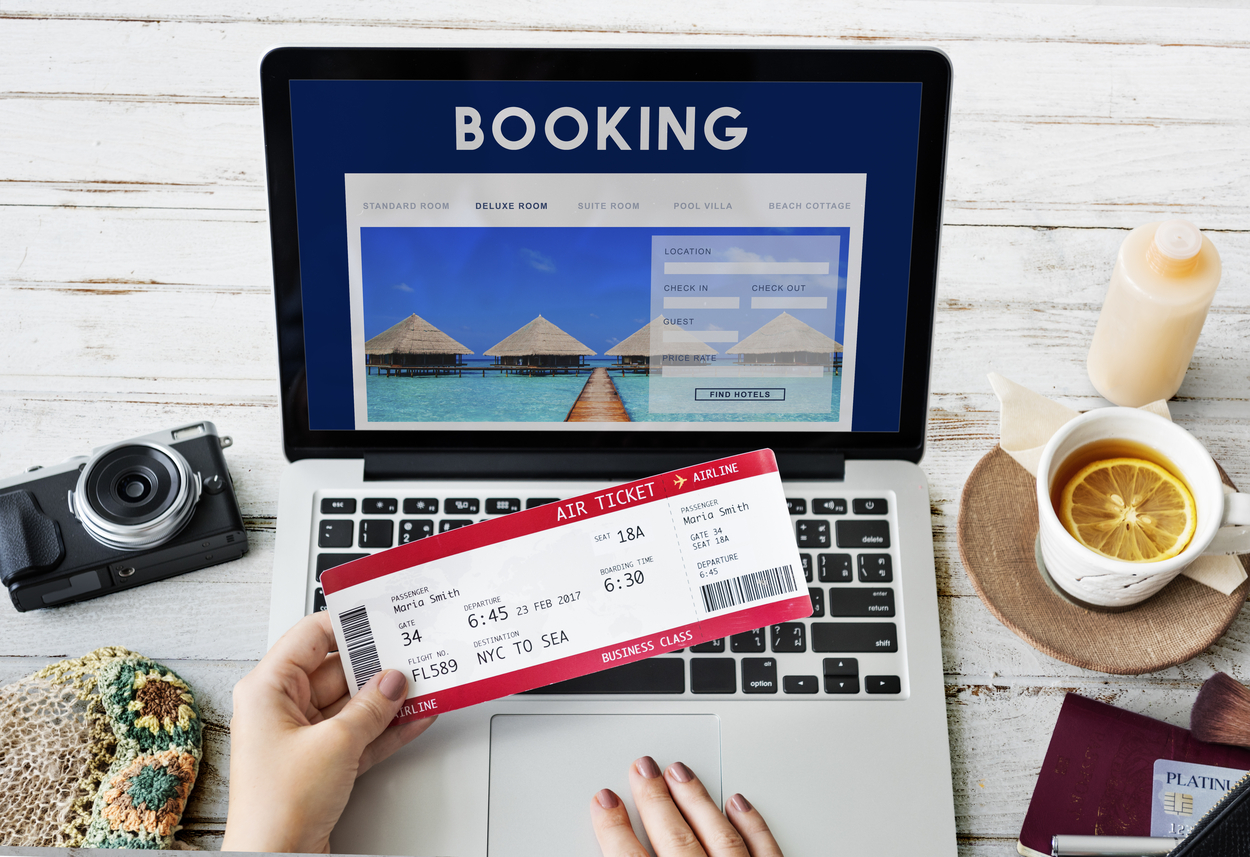
Most guest houses depend on external platforms to generate bookings.
While these platforms do bring traffic, they also take control away from the business.
Each booking comes with commission fees. Guest data is often limited or inaccessible. Communication is controlled through the platform instead of directly with the guest.
This creates a situation where the guest house is constantly paying for access to its own customers.
On top of that, availability is shared across multiple platforms, which can lead to double bookings, confusion, or over-reliance on external demand.
Even when occupancy is high, profit margins are reduced.
This is the reality behind many guest bookings that look successful on the surface but are not fully optimized for long-term growth.
Why This Happens
The main reason guest houses depend on third-party platforms is convenience.
These platforms handle visibility, marketing, and booking management. They remove the need to build systems from scratch.
But that convenience comes at a cost—control.
Most guest houses never build their own direct booking system. They rely entirely on external traffic instead of creating their own consistent flow of guests.
Without a direct system, every booking depends on someone else’s platform, algorithm, or listing ranking.
This means your business is always competing for attention in a shared marketplace.
As a result, guest bookings become dependent on external platforms instead of internal systems.
Direct Bookings vs Third-Party Platforms (CORE MESSAGE)
There is a clear difference between direct bookings and platform-driven bookings.
Third-party platforms bring exposure, but they control the process. They decide visibility, they manage communication, and they take a percentage of every booking.
Direct bookings, on the other hand, give full control back to the guest house.
When guests book directly, there are no commissions. Communication is direct. Customer relationships are owned by the business, not a platform.
This shift is important because it changes how revenue is structured.
Instead of sharing income with intermediaries, the guest house keeps full value from every booking.
That is where real growth in guest bookings begins.
How to Increase Direct Bookings
Increasing direct bookings is not just about having a website. It is about building a system that makes it easier for guests to book directly than through a third party.
When a guest searches for accommodation, they should be able to find your guest house, check availability, and complete a booking without friction.
This requires a structured system that handles inquiries, availability, and confirmation automatically.
It also requires trust. Guests need clear information, easy access, and confidence that booking directly is safe and simple.
When these elements are in place, more guests choose direct channels instead of external platforms.
Over time, this reduces dependency on third-party sites and increases profit margins from every booking.
That is how guest bookings shift from shared income to owned income.
Real-World Scenario
Consider a small guest house that relies entirely on booking platforms.
Most of its rooms are filled through external listings. The business is visible and gets steady bookings, but a significant portion of revenue goes to commission fees.
The owner has limited control over guest communication and no direct relationship with most customers.
Now imagine the same guest house with a direct booking system in place.
Guests can book directly through a website or structured platform. Availability is updated in real time. Payments are handled directly. Communication happens without intermediaries.
The guest house now owns the entire booking process.
Over time, more guests start booking directly because it is easier and more reliable.
This increases profit, reduces dependency, and creates a stable flow of guest bookings that the business fully controls.
What This Means for Your Business
If your guest house depends only on third-party platforms, you are building someone else’s business alongside your own.
You may have high occupancy, but your profit is reduced by fees and limitations.
Building a direct booking system changes that structure completely.
You start owning your traffic, your guests, and your revenue.
Instead of competing on platforms, you begin building your own booking ecosystem.
This is what turns unstable bookings into predictable income.
Because real growth in guest bookings comes from ownership, not dependency.
Final Thought
Third-party platforms can help you start, but they should not control your entire business.
If every booking depends on an external system, your growth is limited by their rules, their fees, and their visibility algorithms.
The real advantage comes when guests book directly with you.
That is when your business becomes stable, scalable, and fully independent.
If your business is ready to scale:
👉 Apply now to be selected.