Untitled design (8)

How Fast Food Businesses Can Double Orders Online

Most fast food businesses are not struggling because of bad food or lack of demand.

They are struggling because of how customers place food orders.

People are hungry every day. They want fast, convenient meals without delays or confusion. But when the ordering process is slow, unclear, or dependent on back-and-forth communication, customers lose patience and move on.

This happens more often than most business owners realize.

A customer sees your menu, gets interested, and decides to order. But if they have to wait for a reply, ask multiple questions, or go through unnecessary steps, that moment of interest fades quickly.

That is where most businesses lose money.

Not because people do not want to buy, but because the process makes buying harder than it should be.
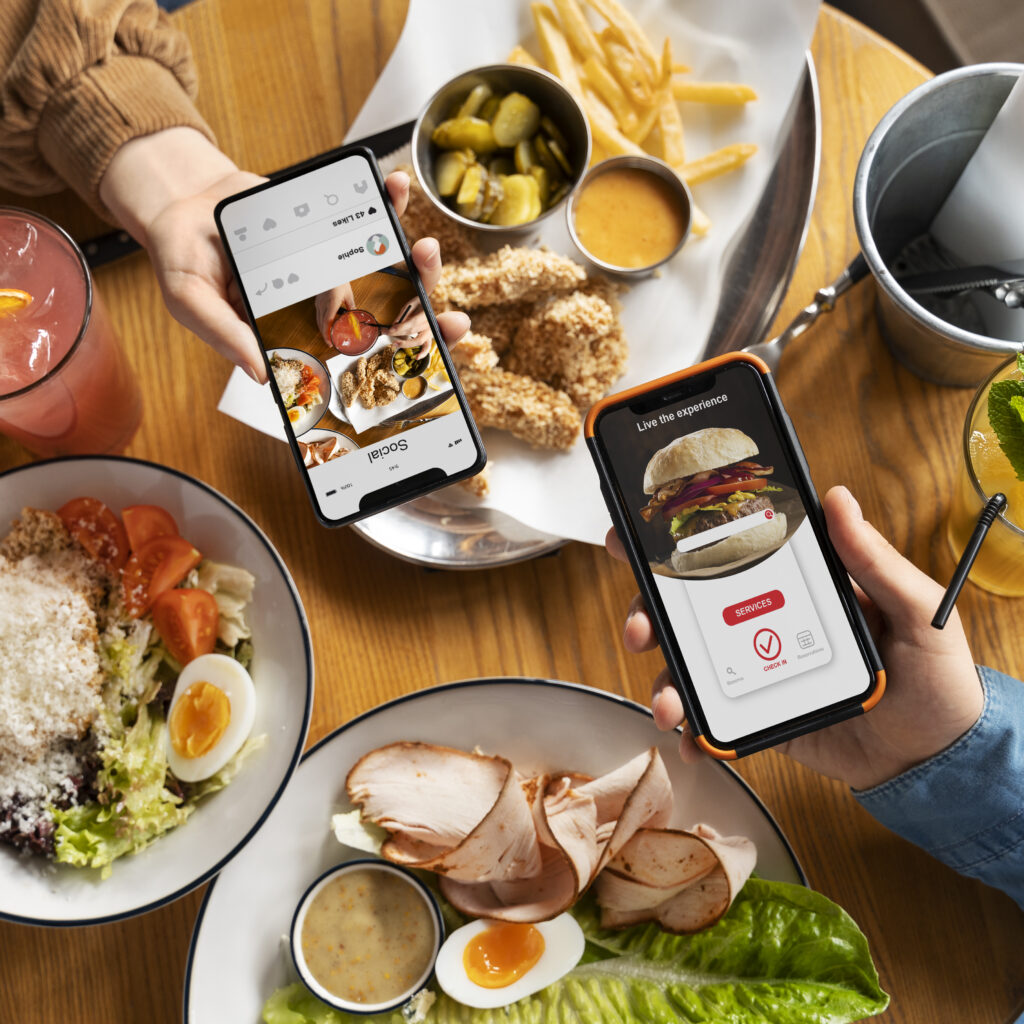
fast-food-orders

The Problem

When orders are handled manually, everything depends on timing and availability. Messages come in, calls interrupt ongoing work, and customers expect quick responses while the business is already under pressure. At first, this feels manageable because the volume is low.

But as demand increases, the system begins to struggle. Conversations overlap, details get mixed up, and important messages are buried in chat threads. Staff try to keep up, but the pace becomes difficult to maintain.

What makes this worse is that most of these problems are not immediately obvious. The business still looks busy. Orders are still coming in. But behind the scenes, there are missed opportunities that never get counted.

This is how poor handling of food orders quietly limits growth. It does not stop the business completely, but it prevents it from reaching its full potential.


Why This Happens

The issue comes from how most fast food businesses are structured. They are built around communication instead of systems. Every order requires a conversation, and every conversation requires attention.

This creates a situation where the business can only grow as fast as its ability to respond.

When things are quiet, this approach feels personal and controlled. But during busy periods, it becomes overwhelming. There is no clear flow guiding how orders move through the business. Everything depends on people remembering, responding, and managing multiple tasks at once.

Without a structured process, the business becomes reactive. It responds to what is happening instead of controlling how things happen.

As a result, the more food orders come in, the harder it becomes to manage them efficiently.


Many business owners believe that the solution is more visibility. They focus on attracting more people through social media or word of mouth, expecting that this will naturally increase sales.

But visibility alone does not solve the problem.

If customers are interested but cannot place orders quickly and easily, that attention goes to waste. The business becomes known, but not necessarily profitable.

The real factor that drives growth is order flow. Order flow is what determines how smoothly a customer moves from interest to purchase. When that flow is slow or unclear, people hesitate or leave.

When that flow is simple and structured, more customers complete their orders without friction.

This is where the biggest opportunity lies. Improving how food orders move through your business often has a greater impact than increasing how many people see your business.


How to Double Orders With Systems

Doubling your orders does not always require more customers. In many cases, it requires a better system.

When the ordering process is clear and immediate, customers do not need to wait or ask questions. They move directly from decision to action. This reduces hesitation and increases completion rates.

At the same time, the business becomes more organized internally. Orders are no longer scattered across messages or calls. Everything follows a consistent structure, making it easier to manage even during busy periods.

This creates a shift in how the business operates. Instead of constantly reacting, it begins to run on a defined process. Staff focus on execution instead of coordination, and the overall experience becomes smoother for both sides.

As a result, more food orders are completed without increasing stress or workload at the same rate.


Real-World Scenario

Consider a typical lunchtime rush in a small fast food business. Without a system, everything happens at once. Messages come in rapidly, calls interrupt ongoing tasks, and customers in-store need immediate attention.

The staff try to handle everything, but pressure builds quickly. Some orders are delayed because responses are slow. Others are incorrect because details were rushed. A few customers leave before completing their orders.

Now imagine the same situation with a structured system in place.

Customers place their orders through a clear process that captures all necessary information upfront. Orders are automatically organized, and staff can see exactly what needs to be done without confusion.

Instead of juggling communication, the team focuses on preparing and delivering orders efficiently.

The difference is not effort. It is clarity.

This is what allows businesses to handle more food orders without losing control.


What This Means for Your Business

If your business struggles during busy periods, the issue is not the number of customers. It is the system behind how those customers are handled.

Every delay in response, every unclear step, and every missed message reduces your ability to convert demand into revenue. Over time, these small losses add up.

When a structured system is introduced, the dynamic changes completely. Customers know exactly how to place orders, and the business knows exactly how to handle them.

This removes uncertainty and creates consistency.

With consistency comes capacity. And with capacity, your business can grow without the same level of stress.

That is how improving food orders management leads directly to higher revenue.


Final Thought

Most fast food businesses do not need to work harder. They need to work with better structure.

If the ordering process creates friction, growth will always be limited. If the process is smooth and predictable, growth becomes natural.

The businesses that scale are not always the ones with the best food. They are the ones that make buying the easiest.

If your business is ready to scale:
👉 Apply now to be selected.

Untitled design (8)

Why Systems Matter More Than Customers

Most small businesses are chasing the wrong thing.

They believe that more customers will solve their problems. More traffic, more messages, and more attention feel like progress. It looks like growth is happening.

But without proper business systems, more customers often create more problems instead of more profit.

Because when your business is not structured to handle demand, growth turns into pressure. Customers wait longer for responses. Orders get mixed up. Opportunities slip through unnoticed.

And over time, what should have been growth starts to feel like stress.

The reality is simple. Customers do not fix a broken business. They expose it.


Why This Happens

Most small businesses are built around effort instead of structure.

Everything depends on someone being available to respond, confirm, and manage each step manually. When demand is low, this feels manageable.

But as demand increases, the system starts to break.

There is no clear process guiding how customers move from interest to purchase. There is no consistent flow that ensures every opportunity is handled properly.

As a result, every new customer adds pressure instead of value.

This is why businesses without business systems often feel busy but remain inconsistent in revenue and growth.


Customers create opportunity, but systems turn that opportunity into income.

Without customers, there is no demand. But without systems, there is no reliable way to capture that demand.

A business that focuses only on customers becomes reactive. It spends time chasing attention but struggles to convert that attention into consistent results.

A business that focuses on systems builds structure first. It creates a clear path for customers to follow, from discovery to purchase.

This is the difference that changes everything.

Customers create activity. Business systems create consistency. And consistency is what drives real, sustainable growth.


How Systems Change Everything

When strong systems are in place, the entire business shifts.

Instead of reacting to every message or inquiry, the business begins to guide customers through a structured process. Orders are handled clearly. Information is organized automatically. Communication becomes consistent instead of scattered.

This reduces confusion at every level.

The owner is no longer chasing problems throughout the day. Staff are no longer guessing what to do next. Customers no longer feel uncertain about how to engage with the business.

Everything becomes predictable.

That predictability is what allows growth to happen without stress. With proper business systems, more customers no longer create chaos. They create revenue.


Real-World Scenario

Consider a small business trying to grow through increased marketing.

More people start noticing the business. Messages increase. Demand begins to rise.

But the structure behind the business remains the same. Orders are still handled manually. Communication still depends on constant back-and-forth. There is no clear system guiding the process.

Very quickly, things become overwhelming.

Now compare this to a business that focused on systems first.

Before pushing for more customers, it built a structured way to handle them. Orders follow a defined flow. Customer interactions are guided clearly. Information is captured and organized automatically.

When demand increases, the system absorbs it smoothly.

The difference is not effort. It is preparation.

This is where business systems create real advantage.


What This Means for Your Business

If your focus is only on getting more customers, you are building pressure without support.

Growth without structure always leads to inconsistency.

The smarter move is to prepare your business before increasing demand. When systems are in place, customers move through your business without friction.

You spend less time reacting and more time controlling how things operate.

This creates stability.

And once stability is in place, scaling becomes possible. Because real business systems allow your business to grow without losing control.


Final Thought

More customers will not fix your business.

They will only highlight where it is weak.

If your structure cannot handle growth, increasing demand will only create more problems.

The real advantage is not having more customers.

It is having a system that turns every customer into consistent, predictable revenue.

If your business is ready to scale:
👉 Apply now to be selected.
Untitled design (8)

How to Handle High Order Volume Without Chaos

When demand increases, most small businesses don’t celebrate for long.

Because more customers often means more pressure, more confusion, and more mistakes.

This is where order management becomes the difference between growth and chaos.

At first, high order volume feels like success. But without the right structure, it quickly turns into missed messages, wrong orders, and frustrated customers.

The problem is not the number of customers. The problem is how those customers are handled.

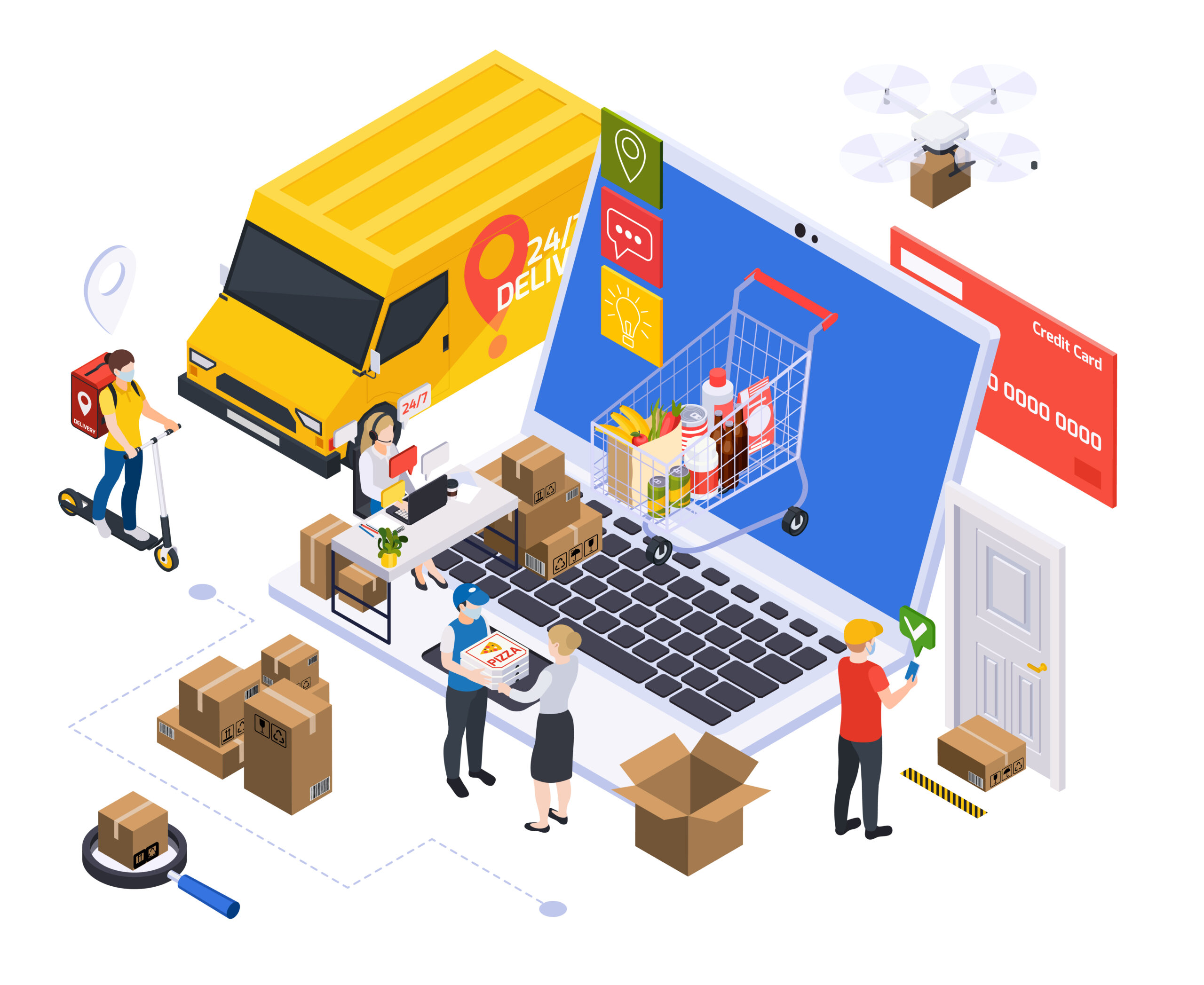
order-management
order-management

The Problem

Most small businesses are not built to handle high demand—they are built to survive daily operations.

So when orders increase, everything starts to stretch beyond its limits. Messages pile up faster than they can be answered. Calls come in while staff are already busy. Orders get written down in different places or lost in chat threads.

At some point, mistakes become unavoidable.

Customers receive late responses. Some orders are incomplete. Others are missed entirely. What should be a moment of growth turns into a stressful situation where the business struggles to keep up.

This is what poor order management looks like in real operations. It is not loud at first, but it slowly damages both revenue and reputation.


Why This Happens

The core issue is not demand—it is structure.

Most businesses rely on manual processes that were never designed to handle volume. Orders come through different channels at the same time, and there is no single system organizing everything.

This forces the owner or staff to juggle information in real time, switching between chats, calls, and in-person requests.

When the business is quiet, this feels manageable. But as soon as demand increases, the system collapses under pressure.

There is no clear tracking, no consistent flow, and no reliable way to manage incoming orders. As a result, order management becomes reactive instead of controlled.


Busy vs Structured (CORE MESSAGE)

A busy business is not always an efficient business.

Many owners mistake constant activity for productivity. But if your system cannot handle pressure, being busy only exposes the weakness faster.

A structured business operates differently. Instead of reacting to every order, it guides orders through a clear and predictable process.

Customers know what to do. Staff know what to do. The system keeps everything aligned.

This is where the shift happens. You stop chasing orders and start controlling how they move through your business.

That is the foundation of strong order management—not doing more work, but removing unnecessary friction from the process.


How to Handle High Volume Without Chaos

Handling high order volume starts by removing the need for constant manual coordination.

Instead of allowing orders to come in from everywhere, they should flow through a single structured system. Customers should follow a clear process when placing orders, and that process should capture all necessary information upfront.

When this happens, confusion disappears at the source.

There is no need to chase missing details. There is no need to re-confirm information. Everything is already organized in a way that makes execution simple.

This creates clarity across the entire business. Staff can focus on fulfilling orders instead of trying to understand them. The owner can focus on growth instead of constant problem-solving.

That is when order management becomes a strength instead of a weakness.


Real-World Scenario

Think about a small food business during peak hours.

Without a system, everything happens at once. Messages keep coming in, calls interrupt ongoing tasks, and in-store customers demand attention at the same time. Staff try to manage everything, but pressure builds quickly.

Mistakes happen. Orders are delayed. Some customers leave before being served.

Now imagine the same business with a structured system in place.

Orders come through one channel. Information is clear from the start. Each order follows a defined path from placement to completion.

Instead of reacting, the business operates with control.

The difference is immediate. Less confusion, fewer mistakes, and more completed orders.

That is what effective order management looks like under pressure.


What This Means for Your Business

If your business struggles during busy periods, the issue is not the number of customers.

It is how those customers are being handled.

Growth should increase revenue, not stress. But without structure, every new order adds pressure instead of value.

When a proper system is in place, that dynamic changes completely.

You stop relying on memory and constant communication. You start relying on processes that work consistently, even when demand increases.

This allows your business to grow without losing control.

Strong order management does not just improve operations—it protects your ability to scale.


Final Thought

High demand should be an advantage, not a problem.

But without the right system, it will always feel overwhelming.

The goal is not to avoid busy periods. The goal is to build a business that can handle them smoothly.

Because real growth is not just about getting more customers.

It is about serving them without chaos.

If your business is ready to scale:
👉 Apply now to be selected.