20260212_2031_Image Generation_simple_compose_01kh9hx514ey0r5a548m4vvnpq (1)

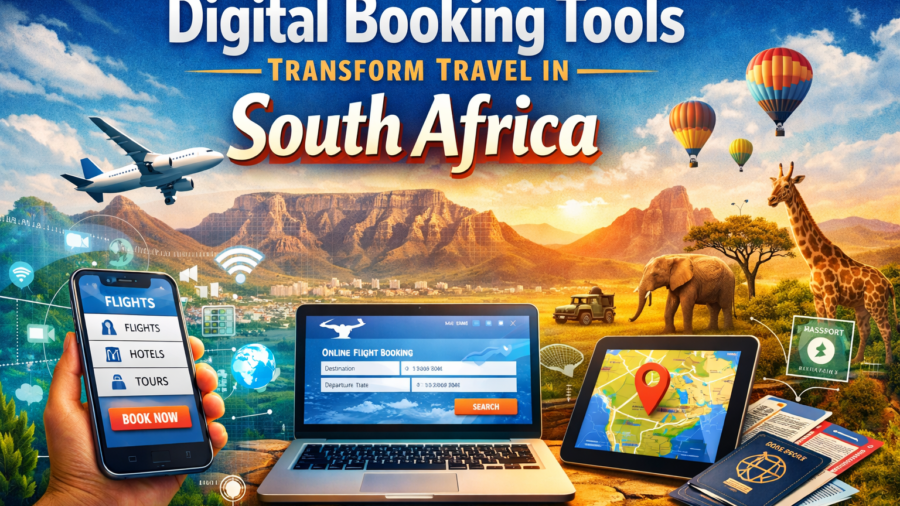
Digital Booking Tools Transform Travel in South Africa

The Role of Digital Booking Tools in Solving South Africa’s Transport and Tour Coordination Challenges

Travel in South Africa is rich with experiences—from game reserves in the Kruger National Park to scenic drives along the Garden Route. Yet the complexity of coordinating multi-modal transport often turns dream itineraries into logistical nightmares. Many travelers, particularly solo adventurers or those unfamiliar with local routes, face challenges in aligning flights, buses, shuttles, and tour bookings seamlessly.

Digital booking tools travel South Africa are emerging as a critical solution. They not only streamline scheduling but also improve visibility, reduce errors, and enhance the overall travel experience. For operators, these platforms simplify coordination, optimise resource use, and strengthen customer trust.

The Complexity of Travel Coordination in South Africa

Multi-Modal Travel Challenges

Many journeys require combining several transport modes:

  • Domestic flights connecting cities
  • Shuttle or bus transfers to towns or game lodges
  • Minibus taxis for short-distance urban travel
  • Local tour operators for site visits

Without a centralised system, travelers often struggle to:

  • Align arrival and departure times
  • Confirm bookings across operators
  • Manage cancellations or delays
  • Navigate unfamiliar transport networks

These challenges increase stress and cost, especially for solo travelers or first-time visitors.


Solo Travelers and Independent Tourists

Independent travelers frequently encounter logistical roadblocks:

  • Limited access to shuttle services outside urban centers
  • Difficulty locating verified operators
  • Inconsistent pricing and payment methods
  • Confusing scheduling and lack of itinerary visibility

Such obstacles can discourage travel or force reliance on costly private transfers, limiting tourism accessibility.


How Digital Booking Tools Address These Challenges

1. Centralised Itinerary Management

Digital platforms consolidate:

  • Multi-modal transport options
  • Accommodation bookings
  • Tour activities
  • Meal plans or experiences

Travelers gain a single dashboard to view, modify, and confirm every segment of their journey. This reduces errors, avoids overlaps, and simplifies planning.


2. Real-Time Scheduling and Availability

Digital booking tools offer real-time updates:

  • Flight delays automatically reflected in onward bookings
  • Bus or shuttle seat availability instantly displayed
  • Alerts for schedule changes or cancellations
  • Alternative route suggestions provided proactively

Travelers benefit from transparency, while operators can optimise fleet and staffing resources.


3. Seamless Payment Integration

Fragmented payment systems are a common pain point. Digital tools enable:

  • Secure online payments
  • Multi-operator settlement
  • Real-time receipt and confirmation generation
  • Simplified refunds and rescheduling

Integrated payments enhance user confidence and reduce administrative workload for operators.


4. Smart Recommendations and Personalisation

Platforms can analyse user preferences and travel history to:

  • Suggest suitable transport connections
  • Recommend nearby attractions and experiences
  • Propose multi-day itineraries
  • Highlight cost-effective routes and packages

Personalisation improves satisfaction and encourages repeat travel.


5. Data-Driven Insights for Operators

For tour operators and transport providers, digital booking tools provide:

  • Demand forecasting
  • Popular route identification
  • Peak-season scheduling optimisation
  • Resource allocation and fleet utilisation metrics

These insights allow agencies to respond dynamically to demand while maintaining service quality.


Anecdotal Roadblocks Travelers Face

Consider the typical South African adventure:

  1. A solo traveler flies into Cape Town.
  2. They want to reach a wine estate in Stellenbosch and then a coastal town the next day.
  3. They face fragmented options: a shuttle service with limited seats, an Uber that may be costly, or unclear bus schedules.
  4. Without a centralised booking platform, aligning transfers becomes stressful, costly, and time-consuming.

Digital tools eliminate these gaps by centralising options, displaying availability, and enabling instant booking.


Strengthening Tourism Through Digital Coordination

Digital booking platforms benefit both travelers and operators:

  • Reduce missed connections
  • Increase transparency in multi-modal journeys
  • Encourage domestic travel participation
  • Enhance confidence in exploring remote or rural areas
  • Optimise operational efficiency and revenue predictability

By bridging logistical gaps, these platforms make travel smoother, more predictable, and enjoyable.


Strategic Opportunities for the Travel Industry

Operators adopting digital booking tools can:

  1. Partner with integrated platforms to expand reach
  2. Offer bundled transport and tour packages
  3. Share real-time capacity data with other operators
  4. Collect anonymised insights for route optimisation
  5. Build trust with travelers through verified listings and ratings

Platforms act as neutral coordination hubs—solving industry fragmentation without revealing sensitive commercial data.


Frequently Asked Questions

How do digital booking tools help travelers?

They consolidate multi-modal bookings, provide real-time scheduling updates, integrate payments, and improve itinerary visibility.

Can these tools improve transport operator efficiency?

Yes. Operators gain insights on demand, optimise scheduling, reduce empty trips, and coordinate with other service providers seamlessly.

Are solo travelers the primary beneficiaries?

While solo travelers benefit greatly, any traveler navigating multi-leg journeys or unfamiliar routes gains from these platforms.

Do digital platforms affect rural accessibility?

Integrated platforms make it easier to discover and book travel options to less-served rural destinations, broadening tourism reach.


Conclusion: Unlocking Seamless Travel Through Technology

Digital booking tools travel South Africa are more than convenience—they are an enabler of tourism growth. By centralising itineraries, enabling real-time updates, and integrating payment systems, they address logistical bottlenecks that have historically limited travel participation.

For both domestic and international travelers, streamlined coordination reduces stress, increases safety, and improves confidence in multi-modal journeys. For operators, these tools drive efficiency, reduce errors, and provide actionable insights.

In an industry where timing and reliability matter, digital booking platforms are key to transforming South African travel from complex and fragmented into smooth, predictable, and enjoyable.
20260212_2013_Image Generation_simple_compose_01kh9gx1bwf69rxdv08gcpgp1j

South Africa Public Transport Challenges Explained

Public Transport Safety and Reliability: A Major Barrier for South African Travelers

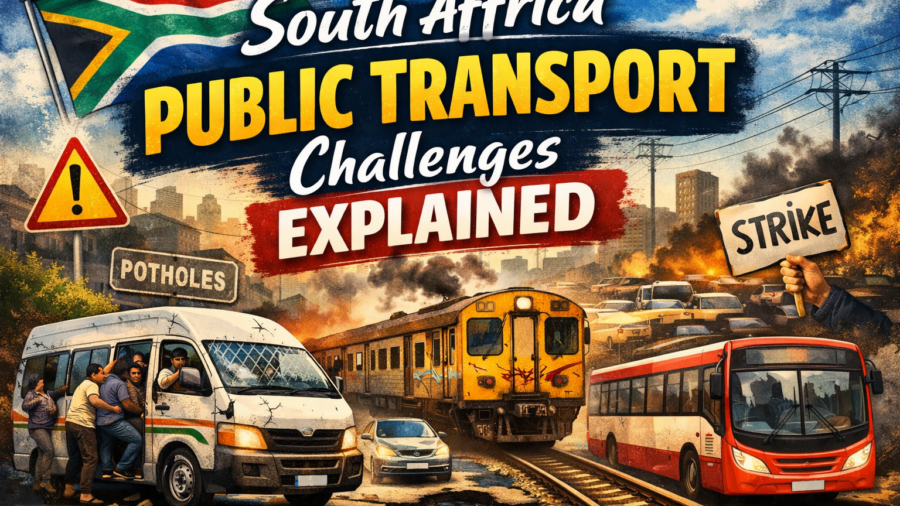
South Africa public transport challenges remain one of the most significant obstacles to travel confidence, tourism growth, and inclusive mobility. For millions of South Africans, public transport is not optional—it is essential. Yet concerns around safety, reliability, and coordination continue to limit its potential.

From the dominance of the minibus taxi industry to inconsistent rail services and fragmented scheduling systems, the transport landscape directly influences how—and whether—people travel.

Improving public transport reliability is not simply a commuter issue. It is a tourism issue, an economic issue, and a national development priority.

The Backbone of Mobility: Minibus Taxis

The minibus taxi industry carries the majority of daily commuters in South Africa. It provides flexible routing, frequent departures, and coverage in areas where formal systems fall short.

However, persistent concerns include:

  • Informal scheduling practices
  • Limited digital integration
  • Safety compliance inconsistencies
  • Communication gaps during route disruptions

While the sector fills critical gaps, its informality can reduce traveler confidence—particularly for tourists or occasional domestic travelers unfamiliar with routes.

The challenge is not eliminating informal transport—it is strengthening coordination and visibility.


The Struggles of Rail Services

Rail once offered an affordable and efficient backbone for long-distance and commuter travel. Today, unreliable train services have become symbolic of broader South Africa public transport challenges.

Common issues include:

  • Service interruptions
  • Infrastructure vandalism
  • Delays and inconsistent timetables
  • Limited coverage in key corridors

For travelers planning leisure trips or intercity movement, unpredictability discourages reliance on rail. When transport reliability decreases, travel planning becomes stressful and costly.

Without dependable rail options, pressure shifts to road transport—raising fuel costs, congestion, and emissions.


Safety Perception and Its Impact on Travel

Safety is both a measurable metric and a perception-driven decision factor.

Travelers consider:

  • Road accident rates
  • Vehicle maintenance standards
  • Driver compliance
  • Personal security in transit hubs

When safety feels uncertain, families opt out of leisure travel. Tourists may choose private transfers over public options, increasing overall trip costs.

South Africa public transport challenges therefore extend beyond infrastructure—they shape economic behavior.


Reliability: The Hidden Cost to Tourism

Unreliable transport affects more than commuters. It influences:

  • Tour itineraries
  • Conference attendance
  • Rural tourism access
  • Event participation

If a traveler cannot depend on arrival times, it impacts bookings, accommodation schedules, and overall experience quality.

Tourism thrives on predictability. When mobility systems lack consistency, visitor confidence declines.


Why Coordination Matters More Than Ever

Many of South Africa’s transport systems operate in silos. Taxi operators, bus services, rail providers, and tourism businesses often function independently without unified scheduling visibility.

This fragmentation results in:

  • Duplicate routes in some corridors
  • Underserved rural areas
  • Poorly timed connections
  • Limited data sharing

Coordinated data systems can transform these inefficiencies into structured opportunities.


How Technology Can Rebuild Confidence

Addressing South Africa public transport challenges requires modern coordination tools that enhance visibility without undermining independent operators.

1. Mobile Route and Scheduling Applications

Mobile platforms can:

  • Display real-time route information
  • Provide verified operator listings
  • Offer departure time estimates
  • Alert users to disruptions

When travelers access accurate information instantly, uncertainty decreases.

Such tools empower both locals and tourists to plan efficiently.


2. Digital Compliance Tracking

Safety confidence increases when compliance standards are visible.

Digital systems can assist with:

  • Vehicle inspection tracking
  • Operator licensing verification
  • Driver credential monitoring
  • Maintenance reporting logs

Transparent compliance data reassures users while preserving regulatory independence.


3. Integrated Booking and Payment Systems

Fragmented payment systems create friction.

Unified digital booking platforms could:

  • Consolidate ticketing options
  • Enable secure mobile payments
  • Simplify multi-leg journeys
  • Provide digital receipts and confirmations

Integrated payment ecosystems also generate valuable data for demand forecasting and route optimisation.


4. Data-Driven Route Optimization

Transport reliability improves when decisions are based on data rather than assumptions.

Advanced mobility management tools can:

  • Identify high-demand corridors
  • Detect underserved rural routes
  • Adjust schedules dynamically
  • Reduce unnecessary route overlap

Digital frameworks that respect competitive boundaries while enabling coordination can increase system-wide efficiency.


Strengthening Tourism Through Mobility Reform

Public transport reliability directly influences domestic tourism participation.

When mobility systems are:

  • Predictable
  • Transparent
  • Safe
  • Digitally accessible

more people are willing to explore beyond their immediate communities.

Tourism growth depends on affordable, reliable movement between cities, towns, and rural attractions. Without accessible public mobility, travel becomes restricted to private vehicle owners—limiting economic inclusion.


The Opportunity for Industry Collaboration

Solving South Africa public transport challenges does not require centralised control. It requires structured collaboration.

Stakeholders can include:

  • Transport operators
  • Tourism boards
  • Municipal planners
  • Technology providers
  • Travel agencies

Digital coordination platforms can act as neutral facilitators—allowing stakeholders to share route visibility, scheduling data, and compliance insights without exposing proprietary pricing or sensitive business information.

This collaborative model strengthens the ecosystem while maintaining healthy competition.


Building a Culture of Trust in Public Transport

Confidence grows when systems are consistent.

Clear communication, digital transparency, and responsive scheduling create a sense of control for travelers.

As trust increases:

  • More locals participate in domestic tourism
  • International visitors explore beyond primary cities
  • Rural destinations gain economic exposure
  • Traffic congestion declines through shared mobility

Improving public transport reliability is therefore not just a commuter reform—it is an economic multiplier.


Frequently Asked Questions

What are the biggest public transport challenges in South Africa?

Safety concerns, unreliable rail services, fragmented scheduling systems, and limited digital coordination are major challenges.

How does public transport affect tourism?

Transport reliability influences traveler confidence, accessibility to destinations, and overall trip affordability.

Can technology improve public transport safety?

Yes. Mobile route tracking, digital compliance monitoring, and integrated scheduling platforms can increase transparency and confidence.

Why is coordination important?

Without coordinated data, routes overlap inefficiently, rural areas remain underserved, and travelers struggle to plan journeys.


Conclusion: Turning Mobility Into a Competitive Advantage

South Africa public transport challenges present undeniable obstacles—but also significant opportunities.

By leveraging mobile applications, digital scheduling tools, compliance tracking systems, and data-driven planning, the country can rebuild traveler confidence and unlock broader tourism participation.

Reliable public mobility strengthens domestic tourism, supports rural economies, and improves everyday life for millions.

When transport systems become transparent, coordinated, and dependable, travel becomes accessible—and opportunity expands nationwide.

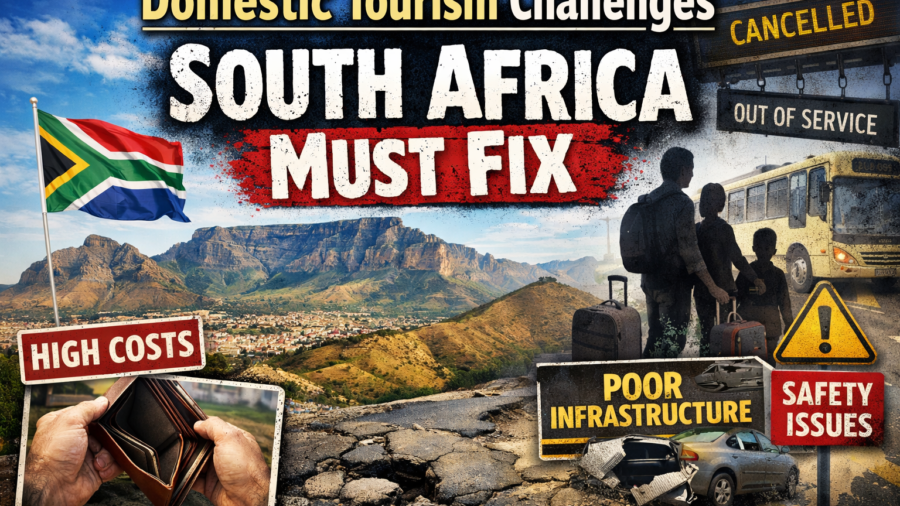
20260212_2004_Image Generation_simple_compose_01kh9gchpce23b2q09pahytav3

Domestic Tourism Challenges South Africa Must Fix

Domestic Tourism in South Africa: Why Many Locals Still Don’t Travel and How the Industry Can Fix It

Domestic tourism challenges South Africa continues to face are not rooted in a lack of interest—but in structural barriers that make travel difficult, expensive, or inconvenient for many citizens.

South Africa is home to world-class beaches, wildlife reserves, cultural heritage routes, and vibrant cities. Yet a significant portion of the population travels infrequently for leisure. While international tourism often dominates headlines, domestic tourism remains a critical stabiliser for the sector—especially during global downturns or seasonal dips.

If South Africa wants a resilient, year-round tourism economy, it must address the friction points that prevent locals from exploring their own country.

Why Domestic Tourism Matters More Than Ever

Domestic travellers:

  • Provide steady demand during off-peak international seasons
  • Support small and rural tourism enterprises
  • Sustain local jobs
  • Reduce reliance on volatile foreign markets

When international arrivals decline due to global crises, domestic tourism becomes the economic cushion. However, unlocking its full potential requires confronting long-standing challenges.


The Core Domestic Tourism Challenges South Africa Faces

1. Affordability: The Largest Barrier

Affordability remains one of the most significant domestic tourism challenges South Africa must overcome.

Many households face:

  • Rising fuel costs
  • Increasing airfare prices
  • Higher accommodation rates
  • Escalating transport fees

When discretionary income is limited, leisure travel becomes a luxury rather than a regular activity.

For middle-income families, a short domestic trip can rival monthly essential expenses. Without affordable packages or flexible pricing structures, travel remains inaccessible for large segments of the population.


2. Public Transport Gaps

Reliable, integrated public transport systems are essential for inclusive tourism growth. However, several gaps persist:

  • Limited intercity rail reliability
  • Inconsistent long-distance bus connectivity
  • Fragmented taxi and shuttle coordination
  • Minimal digital integration for route planning

For many South Africans without private vehicles, these gaps restrict travel choices. Visiting rural destinations or remote attractions often requires private transport, which significantly increases costs.

Without seamless public mobility, domestic tourism remains skewed toward urban residents with vehicle access.


3. Safety Concerns

Perceptions of safety strongly influence travel decisions.

Domestic travellers frequently consider:

  • Road safety conditions
  • Personal security in unfamiliar areas
  • Reliability of transport providers
  • Emergency support availability

Even when destinations are safe, inconsistent communication and lack of verified travel information can create hesitation.

Safety perception is not only about crime statistics—it is about confidence in infrastructure and systems.


4. Poor Rural Accessibility

Ironically, some of South Africa’s most unique tourism experiences are located in rural regions that struggle with:

  • Poor road conditions
  • Limited signage
  • Weak digital connectivity
  • Inadequate transport networks

When accessibility declines, rural economies suffer. Tourism revenue becomes concentrated in already developed hubs instead of distributed across provinces.

Rural accessibility is both an infrastructure issue and an opportunity.


Why These Barriers Persist

Domestic tourism challenges South Africa faces are interconnected.

Affordability links to fuel prices and operational inefficiencies.
Public transport gaps connect to fragmented systems and underinvestment.
Safety perceptions tie back to infrastructure visibility and communication.
Rural accessibility depends on prioritised corridor development.

These are not isolated problems—they reflect structural coordination gaps.


The Economic Cost of Inaction

Failing to address domestic tourism barriers leads to:

  • Lost economic activity in secondary towns
  • Underutilised tourism assets
  • Seasonal revenue instability
  • Increased dependency on international markets

When locals do not travel, community-based enterprises struggle to survive. Informal vendors, small guesthouses, tour guides, and transport operators depend heavily on domestic demand.

Expanding domestic tourism is not merely about leisure—it is about economic inclusion.


Strategic Opportunities for the Industry

Despite these challenges, opportunities for transformation are significant.

1. Smarter Pricing Models

Travel agencies and operators can implement:

  • Tiered pricing structures
  • Off-peak incentives
  • Early booking discounts
  • Bundled transport-accommodation packages

Dynamic pricing tools allow agencies to match supply with demand more effectively, making travel more affordable without sacrificing profitability.

Digital booking platforms that consolidate pricing data across services can increase transparency and empower travellers to compare options easily.


2. Integrated Transport Planning

One of the most practical solutions to domestic tourism challenges South Africa faces lies in better transport coordination.

Platforms that integrate:

  • Shuttle schedules
  • Bus routes
  • Car rental availability
  • Local tour services

can reduce logistical friction for travellers.

Instead of navigating disconnected systems, travellers benefit from unified planning tools that simplify the journey.

Digital ecosystems that align transport providers with tourism operators can strengthen reliability while maintaining competitive integrity.


3. Promoting Micro-Destinations

Rather than focusing exclusively on flagship cities, the industry can spotlight:

  • Community tourism initiatives
  • Local heritage trails
  • Rural cultural festivals
  • Nature-based micro-destinations

Digital platforms can amplify these offerings through better visibility, route mapping, and booking accessibility.

When smaller destinations become easier to discover and access, domestic tourism disperses more evenly.


4. Safety Transparency and Verification

Building confidence requires clear communication.

Industry stakeholders can:

  • Provide verified operator listings
  • Share real-time route updates
  • Offer secure digital booking confirmations
  • Use rating and review systems responsibly

Technology plays a role in reducing uncertainty and improving traveller trust.


5. Data-Driven Decision Making

Domestic tourism growth depends on understanding traveller behaviour.

Data analytics tools can help stakeholders:

  • Identify underserved travel corridors
  • Monitor seasonal demand fluctuations
  • Adjust pricing dynamically
  • Predict emerging travel trends

When decisions shift from assumptions to data insights, the industry becomes more agile.

Forward-looking digital coordination systems—such as integrated travel management frameworks—can help agencies and transport providers collaborate without revealing proprietary information. These systems strengthen visibility while protecting competitive positioning.


Reframing Domestic Tourism as a Growth Engine

Domestic tourism challenges South Africa faces should not be viewed solely as obstacles—but as signals pointing to strategic reform areas.

With the right combination of:

  • Affordable packaging
  • Transport integration
  • Safety communication
  • Rural accessibility prioritisation
  • Digital innovation

South Africa can unlock a broader base of local travellers.

A thriving domestic tourism ecosystem creates resilience. It builds a culture of exploration within the country and strengthens economic circulation at community level.


Frequently Asked Questions

Why don’t more South Africans travel domestically?

Affordability, transport gaps, safety concerns, and accessibility challenges limit travel participation.

How can domestic tourism become more affordable?

Smarter pricing strategies, bundled packages, and digital cost comparison tools can lower barriers.

Does public transport impact tourism growth?

Yes. Reliable and integrated transport systems expand access to destinations, especially for travellers without private vehicles.

How can rural tourism be strengthened?

By improving road corridors, enhancing digital visibility, and integrating transport services into unified planning platforms.


Conclusion: Unlocking Local Travel Potential

Domestic tourism challenges South Africa faces are real—but solvable.

By addressing affordability, improving transport coordination, enhancing safety transparency, and leveraging digital platforms, the industry can expand its domestic customer base significantly.

South Africa does not lack destinations worth exploring. What it needs is smarter coordination, inclusive pricing, and systems that make travel simpler and more accessible for everyone.

When locals travel more, communities prosper—and the entire tourism ecosystem becomes stronger and more resilient.

20260212_1957_Visa and Licensing Challenges_simple_compose_01kh9fzty7fxmrhgg6y40y7epm

South Africa Travel Visa & Licensing Bottlenecks

Visa Delays, Licensing Bottlenecks and the Hidden Barriers to a Seamless South African Travel Experience

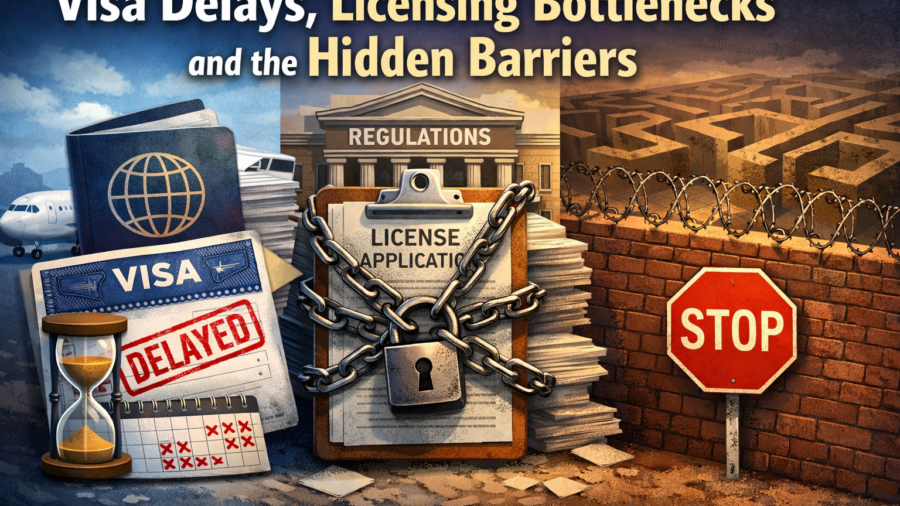
South Africa travel visa transport licensing systems play a critical role in shaping the country’s tourism performance. While South Africa remains one of the continent’s most attractive travel destinations, bureaucratic inefficiencies continue to quietly undermine its full potential.

Visa backlogs delay international arrivals. Licensing bottlenecks slow transport operators. Regulatory fragmentation creates uncertainty for travel agencies. Individually, these issues may seem administrative. Collectively, they form structural barriers to a seamless travel experience.

For a country positioning itself as a premier global destination, addressing these hidden obstacles is no longer optional—it is strategic.

Why Bureaucratic Efficiency Matters for Tourism Growth

Tourism depends on movement. But movement depends on permission, compliance, and regulatory clarity.

When visa approvals are slow or unpredictable, travellers reconsider destinations. When transport operator licenses take months to process, fleet expansion stalls. When regulatory processes lack transparency, smaller operators struggle to compete.

South Africa’s tourism ambitions rely not only on marketing campaigns and infrastructure upgrades but also on the efficiency of administrative systems supporting the sector.


Visa Delays: The First Friction Point

1. Processing Backlogs and Inconsistent Timelines

International visitors often face visa processing delays that disrupt travel planning. Lengthy turnaround times create uncertainty for:

  • Conference delegates
  • Group tours
  • Event travellers
  • Seasonal leisure tourists

In today’s competitive tourism environment, convenience is a deciding factor. Destinations offering fast, predictable digital visa systems gain an advantage.

2. Impact on Group and Business Travel

Group bookings are particularly sensitive to delays. Tour operators planning multi-country packages require reliable approval timelines. When visa confirmation becomes unpredictable, operators either:

  • Divert clients to alternative destinations
  • Absorb cancellation risks
  • Increase package prices to buffer uncertainty

Each scenario weakens competitiveness.

3. Digital Visa Systems: Progress and Gaps

South Africa has taken steps toward digitising parts of its visa application processes. However, system integration remains inconsistent across departments and application categories.

Without unified digital tracking dashboards, applicants often lack visibility into application status. This opacity increases anxiety and administrative workload for agencies managing client files.


Transport Licensing Bottlenecks: A Domestic Growth Constraint

While visa delays affect inbound tourism, transport licensing bottlenecks constrain the domestic and operational side of the industry.

1. Lengthy Licensing Approvals

Transport operators—whether shuttle services, tour vehicles, or intercity transport providers—require operating licenses to function legally. Delays in approvals can:

  • Prevent new entrants from entering the market
  • Delay fleet expansions
  • Increase compliance costs
  • Limit service availability in underserved regions

When operators cannot scale efficiently, tourism access suffers.

2. Fragmented Regulatory Oversight

Licensing processes may involve multiple authorities, provincial structures, and compliance requirements. The lack of centralized coordination can create:

  • Repetitive documentation submissions
  • Inconsistent interpretation of regulations
  • Extended waiting periods
  • Reduced transparency

For small and medium-sized operators, this complexity becomes a barrier to entry.


The Hidden Cost of Bureaucratic Inefficiency

Administrative bottlenecks create invisible economic drag.

For International Visitors:

  • Missed travel windows
  • Increased uncertainty
  • Reduced confidence in planning

For Travel Agencies:

  • Higher administrative overhead
  • Increased risk exposure
  • Delayed revenue realization

For Transport Operators:

  • Idle assets awaiting approval
  • Restricted growth
  • Lost market opportunities

Over time, these inefficiencies reduce tourism elasticity—making the sector less responsive to demand surges or seasonal spikes.


Why These Bottlenecks Matter for National Competitiveness

Globally, tourism destinations are racing to simplify regulatory systems. Countries that implement:

  • eVisa platforms with rapid turnaround
  • Automated compliance checks
  • Centralised digital licensing portals
  • Real-time application tracking

are improving visitor satisfaction and attracting more operators into the ecosystem.

South Africa travel visa transport licensing processes must align with this global standard to maintain competitive positioning.

Administrative friction does not appear on marketing brochures—but it shapes reputation.


Strategic Solutions: Modernising Travel Bureaucracy

While structural reform takes time, practical improvements can deliver measurable progress.

1. Unified Digital Workflow Platforms

Centralised digital systems that integrate visa processing, transport licensing, and compliance management can significantly reduce redundancy.

Such platforms can:

  • Automate document validation
  • Enable real-time status tracking
  • Flag incomplete applications early
  • Reduce manual processing time

Digital dashboards improve transparency for both applicants and regulators.


2. Tech-Assisted Application Tracking

Application tracking systems allow:

  • Tour agencies to monitor group visa submissions
  • Transport operators to track license renewal cycles
  • Authorities to identify bottlenecks in processing queues

With data analytics, regulators can pinpoint inefficiencies and allocate resources accordingly.


3. Data-Driven Regulatory Audits

Periodic audits using anonymised data can reveal:

  • Average processing timelines
  • Peak application periods
  • Regional approval disparities
  • Recurring compliance errors

This evidence-based approach allows targeted reform instead of broad, reactive policy adjustments.


4. Interdepartmental Integration

Tourism, transport, and immigration systems often operate independently. Digital bridges between departments can:

  • Reduce repetitive documentation
  • Synchronize approvals
  • Improve inter-agency communication
  • Streamline oversight without compromising compliance

Integration enhances accountability while preserving regulatory integrity.


The Role of Digital Ecosystems in Travel Coordination

Modern digital ecosystems are increasingly becoming the backbone of efficient travel industries.

Integrated travel management platforms can:

  • Centralise booking systems
  • Monitor compliance documentation
  • Track licensing validity
  • Align operational scheduling with regulatory requirements

When platforms unify operational and compliance data, operators reduce administrative risk and improve agility.

Forward-thinking digital architecture—such as centralized travel and transport coordination systems—can help bridge bureaucratic gaps without exposing sensitive operational data. By consolidating workflows and providing secure document management, such systems reduce delays and increase confidence among stakeholders.

The objective is not deregulation. It is smart regulation powered by visibility and automation.


What Stakeholders Should Prioritize

To strengthen South Africa travel visa transport licensing efficiency, stakeholders should focus on:

  1. Accelerating full digitisation of visa categories
  2. Implementing centralized licensing dashboards
  3. Enhancing real-time communication channels
  4. Leveraging analytics to identify delay patterns
  5. Encouraging public-private collaboration in digital transformation

Tourism growth requires more than destination marketing—it requires frictionless access.


Frequently Asked Questions

Why do visa delays affect tourism demand?

Unpredictable approval timelines discourage travel planning, particularly for time-sensitive trips like conferences and group tours.

How do transport licensing bottlenecks impact tourism?

They limit the number of operational vehicles and operators, reducing availability and increasing service costs.

Can digital systems fully solve bureaucratic delays?

While they cannot eliminate all structural constraints, digital workflows significantly reduce processing time, improve transparency, and enhance coordination.

Why is regulatory integration important for tourism growth?

Integrated systems reduce duplication, streamline approvals, and improve communication across departments, making the overall travel experience smoother.


Conclusion: Removing Invisible Barriers to Unlock Tourism Growth

South Africa travel visa transport licensing processes sit quietly behind the scenes of every tourism transaction. Yet their efficiency—or inefficiency—directly shapes visitor experience, operator growth, and national competitiveness.

While progress has been made toward digitalisation, further integration, transparency, and workflow automation are essential.

By embracing smart regulatory modernization and leveraging digital coordination platforms, South Africa can remove invisible friction points, strengthen trust, and unlock sustainable tourism growth.

The opportunity lies not just in attracting travellers—but in making their journey seamless from application to arrival.

https://openroute.co.za/

Travel Costs South Africa Tourism: Why Prices Are Rising

The Rising Cost of Travel in South Africa: Why Flights, Fuel and Transport Fees Are Squeezing Tourists and Locals

In recent years, travel costs South Africa tourism have steadily climbed, leaving both international visitors and local travellers feeling the pinch. From high airfare and increasing fuel prices to rising transport fees, the overall cost of travel is no longer as accessible as before. These cost pressures threaten tourism demand, reduce affordability for middle-income families, and add operational challenges for travel agencies, transport operators and tour service providers.

Understanding why travel costs are rising—and identifying strategic responses—is critical for industry stakeholders aiming to preserve South Africa’s reputation as a value-for-money destination and to ensure tourism growth remains inclusive and sustainable.

Why Rising Travel Costs Matter

Tourism contributes significantly to South Africa’s economy, supporting millions of jobs and injecting billions into GDP each year. Domestic travel alone generated substantial spend in 2023, with millions of trips recorded and tens of billions of rand spent within the economy.

Yet rising travel costs have a dual impact:

  • Demand suppression: High travel prices discourage travel planning and reduce the number of bookings, especially during off-peak periods.
  • Barrier to access: Middle-income and emerging travellers find it harder to justify discretionary spending on travel when transport costs rise faster than wages.

The Airfare Puzzle: Fuel, Supply and Demand

Airline ticket prices play a significant role in overall travel costs. For many travellers—especially those flying between major cities like Johannesburg, Cape Town and Durban—airfare is the first major expense. Recent trends show that flight prices between these cities have climbed sharply, particularly during peak seasons.

Jet Fuel: The Biggest Cost Driver

Jet fuel represents a substantial portion of airline operating expenses—often around half of direct costs for carriers. When global oil prices surge, fuel costs increase accordingly, and airlines typically pass these expenses on to customers through higher ticket prices. In South Africa, reliance on imported fuel, a volatile exchange rate and global supply fluctuations all combine to keep jet fuel costs elevated.

Even when crude oil prices temporarily drop, fuel surcharges (extra fees tacked onto ticket prices) can remain high due to exchange rate volatility and operational hedging mechanisms.

Reduced Flight Capacity and Supply Constraints

The liquidation of several domestic carriers, including major players like Comair, significantly reduced available seats in the local market. This sudden contraction in flight capacity pushed fares upward as demand exceeded supply. Although new carriers have entered and capacity is gradually increasing, prices remain higher than in the pre-pandemic period.


Fuel and Transport Costs Beyond the Skies

While airfare grabs headlines, terrestrial travel costs weigh heavily on overall tourism budgets too.

Petrol and Diesel Price Increases

Fuel prices directly affect the cost of road travel, car rentals and tour operations. In South Africa, petrol has experienced notable price increases over recent years—driven by global oil trends, exchange rate shifts, and local tax and supply considerations. These rises ripple through the tourism value chain, increasing the cost of rental vehicles, taxi services, tour transfers and freight costs for tourism supplies.

This is especially important for travellers exploring the country by car, where daily travel expenses can vary significantly with fuel prices.

Transport Fees and Access Charges

In addition to fuel, transport fees (such as tolls, licensing fees and airport passenger service charges) contribute to higher overall prices. While some of these fees are necessary for infrastructure upkeep and safety, their cumulative effect can make travel less affordable.

For domestic travellers reliant on rental cars or transport services, variable fees and unpredictable surcharge mechanisms make budgeting difficult and can discourage longer trips.


How Rising Costs Affect Tourists and Local Travellers

1. Reduced Travel Frequency

As costs rise, households become more selective about travel plans, preferring shorter trips, local destinations, or postponing travel altogether.

Domestic tourism—a crucial pillar of the South African tourism economy—has shown resilience, but cost pressures remain a barrier for widespread participation across income segments.

2. Higher Operational Costs for Tourism Businesses

Travel agencies, tour operators and transport providers face rising operating expenses from fuel, logistics, and staffing. These costs can force agencies to either raise prices for customers or absorb the expenses and tighten margins, both of which impact sustainability.

3. Pressure on South Africa’s Price-Value Proposition

South Africa has long marketed itself as a high-value destination relative to other global destinations. However, rising costs threaten that competitive edge. Industry leaders have cautioned against tax increases and other policy moves that could push prices higher, arguing they would further strain the price-sensitive travel market.


Industry and Regulatory Roots of Cost Challenges

Exchange Rate Volatility

The South African rand frequently fluctuates against major currencies. Since many airline costs (fuel, maintenance, aircraft leases) are denominated in US dollars, a weaker rand increases expenses for local carriers and boosts ticket prices accordingly.

Infrastructure and Operational Bottlenecks

Delays in aviation certifications, training shortages, and infrastructure constraints can all add operational inefficiencies that indirectly raise costs for carriers and, eventually, travellers.

Additionally, limited competition in certain routes can reduce pricing pressure, allowing carriers with dominant market positions to maintain higher fares.


Strategic Responses: Smarter Management of Rising Costs

Industry stakeholders are seeking ways to manage the rising cost environment without dampening travel demand:

1. Early Booking Discounts and Smart Pricing

Travel agents and tour platforms often encourage early booking during peak seasons to help customers secure better rates. Flexible pricing strategies based on demand forecasting can provide more options for price-conscious travellers.

2. Digital Tools for Cost Transparency

Digital cost management tools—such as integrated booking platforms that compare airfare and transport costs in real time—help travellers and agencies identify optimal pricing options. These technologies can also assist operators in streamlining pricing, reducing overhead, and offering dynamic packages to clients.

3. Collaborative Industry Initiatives

Industry associations and government stakeholders have promoted campaigns and partnerships aimed at expanding affordable travel options for domestic tourists, such as discount travel weeks and cooperative marketing programmes.

4. Policy and Advocacy

Tourism sector leaders have urged policymakers to avoid punitive tax increases, improve regulatory efficiency, and invest in infrastructure that supports cost-effective travel.

For example, objections to proposed VAT increases highlight how even small tax hikes could jeopardise tourism demand by making services inherently more expensive.


Future Opportunities: Reducing Cost Barriers and Expanding Access

As South Africa seeks to attract both domestic and international travellers, reducing cost barriers will be essential in creating a resilient, competitive tourism offering.

Ideas gaining traction include:

  • Expanded collaboration between airlines and travel agencies to offer bundled deals
  • Investment in regional transport systems to reduce reliance on costly flights for short distances
  • Use of mobile apps and digital platforms to provide transparent, real-time cost information to travellers
  • Data-driven optimisation of pricing structures to reduce guesswork in tour planning

Digital platforms that unify transport and travel data—highlighting real demand patterns and cost trends—can help stakeholders make more informed decisions without exposing sensitive operational tactics to competitors.


Frequently Asked Questions

How have airfare prices changed in South Africa recently?

Domestic airfare between major cities has risen significantly in recent years, with some routes seeing increases of over 40% compared to past seasons.

Why do fuel prices matter so much for tourism costs?

Fuel accounts for a large share of travel expenses, especially in aviation and road transport. High fuel prices translate into higher operational costs that are often passed on to travellers.

Can digital tools lower travel costs for tourists?

Yes. Digital tools that provide real-time pricing comparisons, dynamic fare management, and integrated route planning can help travellers and agencies optimise costs.

What is the impact of transport fee increases on tourism?

Transport fee increases (such as tolls and airport charges) add to overall travel expenses, making it more expensive for tourists and domestic travellers to explore different regions.


Conclusion: Balancing Cost and Growth for Tourism Success

The challenge of rising travel costs South Africa tourism reflects broader economic trends, operational constraints and global market forces. While these costs pose real barriers, strategic approaches—especially those leveraging digital innovation, industry collaboration and smart pricing—can help stakeholders maintain travel demand and strengthen affordability.

Tourism remains a vital economic engine for South Africa, and ensuring that travel remains accessible and competitively priced will benefit not just individual travellers but the broader economy and communities that depend on tourism activity.

With thoughtful planning, data-driven tools and targeted industry action, South Africa can navigate rising costs while preserving its reputation as a destination that offers value, diversity and unforgettable experiences.

https://kcrelic.com/

South Africa Transport Infrastructure & Tourism Growth

How South Africa’s Transport Infrastructure Is Holding Back Tourism Growth (and What Must Change)

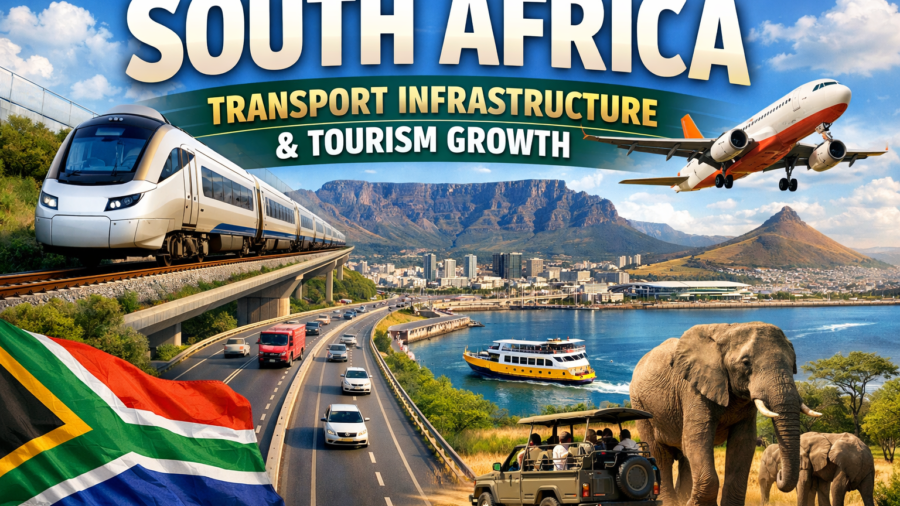
South Africa transport infrastructure tourism performance is deeply interconnected. While the country remains one of Africa’s most diverse and sought-after destinations, infrastructure constraints continue to limit its full tourism potential. From deteriorating road networks and unreliable rail services to inconsistent public transport integration, these systemic challenges are not just operational issues—they are economic growth barriers.

Tourism contributes significantly to South Africa’s GDP, supports small businesses, and sustains thousands of jobs across provinces. Yet infrastructure inefficiencies reduce visitor satisfaction, increase operating costs for tour operators, and weaken international competitiveness. If tourism is to scale sustainably, transport infrastructure must evolve alongside it.

This article explores the cracks in the current system and outlines strategic, forward-thinking solutions that can help reposition South Africa transport infrastructure tourism growth on a stronger foundation.

The State of South Africa’s Transport Infrastructure and Tourism

Tourism thrives on accessibility. Travelers must be able to move safely, efficiently, and affordably between airports, cities, attractions, and rural destinations. However, several infrastructure gaps persist:

  • Aging rail networks with inconsistent service reliability
  • Rural road deterioration limiting access to nature reserves and heritage sites
  • Fragmented public transport coordination
  • Congestion in major metros
  • Limited data integration across transport providers

While flagship airports and select highways operate efficiently, the broader ecosystem lacks cohesion. International visitors often encounter logistical uncertainty beyond arrival points. Domestic travelers, particularly in rural provinces, face similar challenges.

For tourism operators, this means higher vehicle maintenance costs, increased travel time, and scheduling uncertainty. For visitors, it translates to frustration, safety concerns, and reduced likelihood of repeat travel.


Core Infrastructure Challenges Impacting Tourism Growth

1. Road Quality and Rural Accessibility

Many of South Africa’s most compelling tourism experiences—wildlife reserves, coastal villages, cultural heritage routes—are located outside major urban centers. Unfortunately, secondary and rural roads often suffer from:

  • Pothole proliferation
  • Inconsistent maintenance cycles
  • Poor signage
  • Limited emergency response support

For tour operators, damaged roads increase fuel consumption and maintenance expenses. For self-drive tourists, poor conditions create safety risks and discourage exploration beyond primary hubs.

When accessibility declines, visitor distribution narrows. Tourism becomes concentrated in already saturated regions rather than spreading economic benefits to smaller communities.


2. Rail Service Instability

Rail transport once played a critical role in connecting cities and supporting scenic tourism routes. Today, inconsistent rail reliability has reduced its attractiveness for travelers.

Key concerns include:

  • Schedule unpredictability
  • Infrastructure vandalism
  • Limited route modernization
  • Declining long-distance passenger options

Rail tourism can significantly reduce congestion and environmental impact when functioning properly. Without a dependable rail backbone, road networks absorb excess pressure, increasing congestion and operational strain.


3. Fragmented Public Transport Systems

Urban transport systems often operate in silos. Taxis, buses, private shuttles, and ride-hailing platforms function independently with minimal integration.

This fragmentation results in:

  • Difficulty planning seamless multi-modal journeys
  • Lack of centralized information for visitors
  • Limited digital transparency on schedules and pricing
  • Reduced data insights for policymakers

For international tourists unfamiliar with local systems, this complexity discourages exploration and encourages reliance on expensive private transfers.


4. Congestion and Urban Mobility Strain

Major cities such as Johannesburg, Cape Town, and Durban face rising congestion. Traffic delays affect airport transfers, event tourism, conference logistics, and cruise passenger movement.

Urban congestion:

  • Increases fuel costs
  • Extends travel times
  • Disrupts tour scheduling
  • Reduces overall visitor satisfaction

In a competitive global tourism market, time efficiency matters. Infrastructure bottlenecks erode South Africa’s value proposition.


Why Infrastructure Weakness Directly Affects Tourism Growth

Transport infrastructure is not merely a logistical consideration—it shapes perception.

Visitors evaluate destinations based on:

  • Ease of movement
  • Safety confidence
  • Reliability of services
  • Time efficiency
  • Comfort during transit

If movement between attractions becomes stressful, the destination’s brand suffers. Online reviews amplify these experiences, influencing future travel decisions.

Furthermore, infrastructure inefficiencies increase operating costs for travel agencies and transport operators. Rising fuel consumption, vehicle maintenance, route delays, and administrative inefficiencies shrink margins. These costs often pass to consumers, raising package prices and reducing competitiveness.

In short, South Africa transport infrastructure tourism challenges are not isolated—they cascade across the entire value chain.


Strategic Improvements That Must Be Prioritized

While large-scale infrastructure upgrades require long-term investment, several strategic improvements can yield measurable impact:

1. Prioritized Road Rehabilitation Based on Tourism Corridors

Instead of generalized upgrades, targeted investment in high-impact tourism corridors can maximize return. Mapping visitor movement patterns allows stakeholders to:

  • Identify priority routes
  • Allocate maintenance budgets strategically
  • Improve signage and safety measures

Data-driven corridor development ensures that funding directly supports tourism growth objectives.


2. Rail Route Revitalization for Scenic and Intercity Tourism

Reinvesting in select passenger rail routes—especially those linking major tourism hubs—could:

  • Reduce road congestion
  • Lower carbon impact
  • Create premium scenic travel experiences
  • Expand regional connectivity

Rail tourism, when modernized and reliable, can become a destination experience itself.


3. Digital Integration of Multi-Modal Transport Systems

Perhaps the most overlooked opportunity lies in digital coordination.

A centralized digital planning ecosystem can:

  • Integrate transport providers
  • Enable real-time scheduling updates
  • Offer route optimization
  • Provide transparent pricing visibility
  • Generate actionable movement data

Digital platforms reduce fragmentation without requiring immediate physical infrastructure overhaul. By improving coordination, stakeholders can extract more value from existing assets.


The Role of Digital Planning and Data Platforms

Digital transformation offers a strategic bridge between infrastructure limitations and tourism growth ambitions.

Modern platforms allow:

  • Route mapping analytics
  • Fleet optimization tools
  • Demand forecasting
  • Booking synchronization
  • Incident reporting and monitoring

When operators, agencies, and policymakers access shared insights, decision-making improves.

For example:

  • Tour agencies can design itineraries around real-time congestion trends.
  • Transport operators can identify under-served routes with demand potential.
  • Municipalities can pinpoint high-impact maintenance priorities.

This ecosystem approach strengthens collaboration across the tourism supply chain.

Forward-thinking digital frameworks—such as integrated management systems and booking coordination platforms—are increasingly becoming essential. Companies like Openroute, developed by KC Relics, demonstrate how centralized digital architecture can help unify fragmented transport and travel operations without exposing sensitive operational intelligence. The goal is not merely automation, but strategic visibility.


Creating a Competitive Advantage Through Infrastructure Intelligence

Global tourism competition is intensifying. Countries that combine physical infrastructure with digital coordination outperform those relying on traditional systems alone.

A digitally enabled transport ecosystem delivers:

  • Improved traveler confidence
  • Reduced operating inefficiencies
  • Better data for investment planning
  • Enhanced brand perception

Crucially, it enables proactive decision-making instead of reactive crisis management.

South Africa already possesses strong destination appeal. What is required now is infrastructure intelligence—connecting assets, analyzing performance, and aligning movement with growth strategy.


What Stakeholders Should Do Next

To strengthen South Africa transport infrastructure tourism growth, stakeholders must:

  1. Prioritize tourism corridor audits
  2. Invest in selective rail revitalization
  3. Encourage digital integration across transport modes
  4. Collaborate across public and private sectors
  5. Leverage data platforms to identify hidden inefficiencies

The future of tourism competitiveness will depend less on isolated upgrades and more on ecosystem coordination.

Businesses, travel agencies, and transport operators that adopt digital planning frameworks early will gain strategic advantages in cost management, reliability, and customer experience.


Frequently Asked Questions

What is the biggest transport challenge affecting tourism in South Africa?

Fragmentation and inconsistent infrastructure maintenance are major barriers. These create inefficiencies that increase costs and reduce traveler confidence.

How does poor road quality impact tourism growth?

Deteriorating roads limit access to rural attractions, increase vehicle maintenance costs, and discourage visitor exploration beyond urban centers.

Can digital platforms improve transport infrastructure performance?

Yes. While they do not replace physical upgrades, digital planning systems improve coordination, visibility, and data-driven decision-making across stakeholders.

Why is rail important for tourism development?

Reliable rail systems reduce congestion, lower environmental impact, and create unique travel experiences that diversify tourism offerings.


Conclusion: Unlocking South Africa’s Tourism Potential

South Africa transport infrastructure tourism performance remains a pivotal factor in national growth. While physical limitations exist, strategic prioritization and digital integration present powerful opportunities.

The path forward is not merely about repairing roads or upgrading rail—it is about building a coordinated, data-driven transport ecosystem that supports tourism expansion sustainably.

By combining infrastructure investment with intelligent digital systems, South Africa can unlock broader regional growth, improve visitor experience, and strengthen its competitive position on the global stage.

The opportunity is clear. The next step is decisive collaboration.