
Untitled design (30)

Unity by KC Relics: The Digital System Transforming Education, Entrepreneurship, and Social Impact

A New Digital Era Begins with Unity

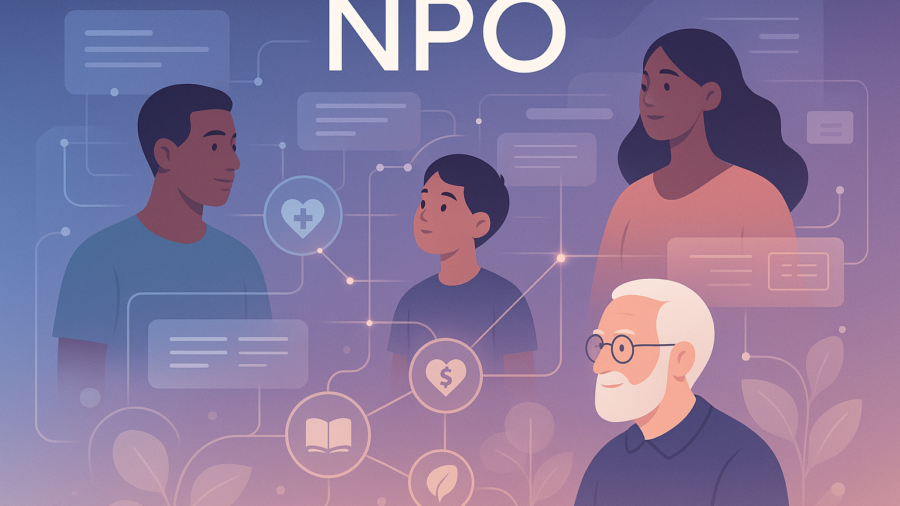
In an era defined by digital acceleration, KC Relics introduces Unity, a visionary digital ecosystem created to empower universities, students, and non-profit organizations (NPOs). Far beyond a standard software platform, Unity represents a movement — one designed to bring education, entrepreneurship, and social impact together under one cohesive digital roof. Built with purpose and innovation at its core, Unity bridges the gap between academic institutions and community development, equipping both students and organizations with the tools to thrive in an increasingly digital economy. From its foundation, Unity embodies collaboration — connecting people, technology, and purpose to achieve measurable, lasting impact.

The Purpose Behind Unity

The inspiration for Unity came from a clear observation: while universities nurture incredible talent and NPOs drive meaningful impact, both sectors often operate within disconnected digital environments. This gap limits collaboration, growth, and measurable results. Unity bridges that divide. It allows universities to transform their campuses into digital incubators, preparing students to participate in real-world innovation. At the same time, it gives NPOs access to tools, visibility, and partnerships that strengthen their reach and sustainability. KC Relics envisioned Unity as a system where education fuels innovation and innovation amplifies social impact — a digital meeting point for progress.

A System Built for Collaboration and Growth

Unity redefines collaboration by providing a central digital hub where students, faculty, and NPOs interact dynamically. Through its integrated structure, universities can manage digital projects, training initiatives, and student ventures in one place, while NPOs benefit from access to skilled support, communication tools, and visibility across the network. The result is a digital environment that promotes participation, innovation, and long-term value creation. Whether used to digitize learning, streamline community projects, or manage collaborations, Unity adapts effortlessly to the unique goals of each institution and organization.

Why Unity Matters for Universities

Today’s universities face an urgent need to combine academic excellence with digital transformation. The future of education depends on systems that empower students with practical, market-ready skills and connect institutions to meaningful social outcomes. Unity enables that transformation. By creating a digital ecosystem where innovation meets opportunity, universities can deliver richer learning experiences and generate sustainable value beyond the classroom. Key advantages for universities include: Digital Empowerment: Unity equips students with hands-on digital and entrepreneurial experience, preparing them for modern careers. Operational Efficiency: The platform streamlines digital engagement and project management, saving administrative time and resources. Revenue Enablement: Universities gain new income pathways through managed digital participation and partnerships. Community Integration: Unity fosters collaboration with NPOs, startups, and local stakeholders to create inclusive impact. Enhanced Reputation: Implementing Unity positions institutions as leaders in digital innovation, sustainability, and social relevance. In short, Unity helps universities redefine their role in society — from centers of learning to engines of innovation and community progress.

Empowering NPOs in the Digital Age

Non-profit organizations often face limited digital capacity, which can hinder outreach, funding, and impact. Unity changes this reality by equipping NPOs with tools to operate more effectively and connect with broader audiences. Within Unity, NPOs can manage their online presence, communicate initiatives, and access skilled assistance from students and institutions. This creates a shared ecosystem where every participant benefits — NPOs gain efficiency and visibility, while students and universities engage in purpose-driven work that builds experience and empathy. KC Relics designed Unity to ensure that digital transformation is inclusive, allowing NPOs to grow alongside educational partners in a way that multiplies social value and strengthens their long-term sustainability.

Technology with Purpose

What sets Unity apart is its human-centered design. KC Relics developed the system around three guiding principles: Accessibility, Collaboration, and Sustainability. Accessibility ensures that institutions and organizations, regardless of scale or resources, can adopt the platform with ease. Collaboration ensures that every user — from administrators to students — participates in meaningful interaction and value exchange. Sustainability ensures that progress achieved through Unity endures, supporting both social and institutional longevity. By merging these principles, Unity delivers a system that not only works seamlessly but also inspires continuous innovation with measurable impact.

A Vision Rooted in Measurable Impact

KC Relics’ vision for Unity is grounded in the belief that digital technology should create tangible benefits for people and communities. Every feature within the system contributes to a measurable outcome — whether it’s improved student employability, increased NPO reach, or enhanced university efficiency. Unity operates as a multiplier: it strengthens academic ecosystems, enables digital entrepreneurship, and drives social innovation simultaneously. For universities, it becomes a tool of empowerment; for NPOs, a channel of growth; and for students, a bridge to opportunity. The system’s ultimate goal is to ensure that digital progress translates into real-world transformation.

KC Relics: Pioneering Digital Empowerment

KC Relics stands at the forefront of digital innovation, building technology that transforms how institutions and communities operate. The development of Unity reflects years of research, design, and collaboration with universities and non-profits across multiple sectors. The company’s mission is to empower organizations through technology that balances performance with purpose. Unity exemplifies that philosophy — a system built with the precision of enterprise-grade technology and the heart of social responsibility. Every implementation is supported by KC Relics’ end-to-end services, including deployment, customization, training, and continuous optimization, ensuring partners achieve maximum value from their digital investment.

The Future of Unity

As Unity continues to evolve, KC Relics is committed to expanding its features to meet the changing needs of education and social development. Future iterations will include advanced analytics for measuring impact, deeper integrations with digital marketplaces, and enhanced collaboration modules that link universities and NPOs globally. The long-term vision is clear: to establish Unity as the continent’s leading digital ecosystem for inclusive innovation. With each deployment, the system strengthens the connection between learning and impact, building a smarter, more socially conscious digital future for all stakeholders.

A Call to Collaboration

Unity is more than software — it’s an opportunity for partnership. It calls on universities ready to modernize their digital presence, students eager to innovate, and NPOs determined to grow their reach and relevance. Through Unity, KC Relics invites partners to join a collaborative movement reshaping how education, entrepreneurship, and social good align. The platform represents a chance to lead, not follow — to adopt technology that directly contributes to measurable progress. Every institution and organization that joins Unity becomes part of a broader ecosystem designed to create lasting change.

Partner with KC Relics Today

At KC Relics, we believe digital transformation should empower people, not overwhelm them. Unity was built to make that empowerment tangible — by giving universities and NPOs the systems, support, and structure needed to thrive in a connected world. Partner with KC Relics today and experience the full potential of Unity, the digital system that merges innovation with purpose. Together, we can redefine how education and social development intersect, build stronger digital communities, and shape a future driven by collaboration, sustainability, and measurable impact. Contact KC Relics at Unity@kcrelics.com to explore how Unity can transform your institution or organization. Let’s build the future — together, through Unity.


20250826_1153_Digital Business Innovation_simple_compose_01k3jwkvx5fqw8t8f7fxnpv3n4

How Digital Systems Are Revolutionizing Small Businesses in South Africa (Part 21)

In Part 20, we explored how AI and ML are transforming small businesses in Africa through automation and predictive analytics. In this part, we examine how digital systems are enabling small businesses in South Africa to streamline operations, drive growth, and enhance customer experiences.

Why Small Businesses Need Digital Systems

Small businesses in South Africa face unique challenges: limited resources, high competition, and the need to scale efficiently. Digital systems provide the tools to address these challenges by automating tasks, centralizing information, and providing actionable insights.

Digital systems include platforms for accounting, inventory management, customer relationship management (CRM), e-commerce, and learning management systems (LMS). When integrated effectively, these systems form a cohesive infrastructure that supports decision-making, reduces operational burden, and drives revenue growth.

Adopting digital systems is no longer optional for small businesses; it is a strategic move to remain competitive, improve customer satisfaction, and achieve long-term sustainability.

Key Benefits

Digital systems offer several tangible benefits for small businesses. Two of the most impactful are operational efficiency and improved customer experience.

Operational Efficiency

Digital systems streamline workflows and reduce the time spent on repetitive tasks:

  • Automated Accounting & Finance: Platforms automate invoicing, payroll, and expense tracking, reducing errors and freeing staff for strategic tasks.
  • Inventory Management: Automated tracking and stock alerts prevent overstocking and shortages, minimizing losses.
  • Workflow Coordination: Centralized digital platforms connect teams across sales, operations, and marketing, ensuring smooth collaboration and faster decision-making.
  • Reporting & Analytics: Real-time dashboards provide insights into sales performance, resource utilization, and operational bottlenecks.

For example, a small retail business in Johannesburg integrated a cloud-based inventory and accounting system, cutting manual data entry time by 50% and improving reporting accuracy. This allowed the owner to focus on growth strategies rather than daily administrative tasks.

Customer Experience

Digital systems help businesses provide a seamless, personalized, and responsive experience to customers:

  • CRM Integration: Tracks customer interactions, purchase history, and preferences to deliver targeted communication and promotions.
  • E-Commerce & Online Ordering: Enables customers to browse products, place orders, and track deliveries conveniently.
  • Automated Support: AI chatbots and ticketing systems provide quick responses to inquiries, improving satisfaction.
  • Feedback & Engagement: Digital systems collect and analyze feedback to enhance products, services, and overall customer experience.

A Cape Town-based café, for instance, implemented a digital ordering and loyalty system, resulting in faster service, personalized offers, and increased repeat visits.


Case Studies

1. Retail Optimization in Johannesburg
A small clothing store adopted a digital POS and inventory management system. Sales tracking, inventory alerts, and automated reordering reduced stockouts by 40%, increased sales by 25%, and allowed the owner to plan targeted promotions.

2. E-Commerce Growth in Durban
A small electronics business implemented an integrated e-commerce platform with CRM and automated marketing tools. This resulted in a 30% increase in online sales within six months and improved customer engagement through personalized offers and email campaigns.

3. Service Efficiency in Pretoria
A cleaning services company adopted a digital scheduling and invoicing system. Operations became more efficient, employee assignments were optimized, and clients received real-time updates. Customer satisfaction improved, and repeat bookings increased by 20%.

4. Education & Training in Cape Town
A small private training institution integrated an LMS to manage courses, assignments, and student progress. Digital dashboards allowed administrators to track performance, identify gaps, and improve course delivery, resulting in higher student engagement and completion rates.

These examples show how digital systems enhance efficiency, boost growth, and improve customer experience, regardless of industry.


Implementation Tips

To maximize the benefits of digital systems, small businesses should consider the following strategies:

1. Assess Business Needs
Evaluate which areas of your business will benefit most from digital systems. Identify processes that are repetitive, prone to errors, or require improved visibility.

2. Choose Scalable Platforms
Select systems that can grow with your business. Cloud-based solutions are cost-effective, flexible, and allow easy integration with other tools.

3. Train Employees Effectively
Provide thorough training and resources to ensure staff can use digital systems efficiently. Encourage adoption by demonstrating time savings and productivity improvements.

4. Integrate Systems Where Possible
Connecting CRM, accounting, inventory, and e-commerce systems creates a cohesive ecosystem that enhances data accuracy and operational efficiency. Platforms like KC Relics’ Unity Digital Ecosystem enable seamless integration across multiple business functions.

5. Monitor Performance
Use reporting and analytics to track the impact of digital systems on efficiency, customer experience, and growth. Adjust processes and systems based on insights to continually optimize performance.

6. Prioritize Security & Compliance
Ensure digital systems are secure and compliant with local regulations such as POPIA. Protecting customer and business data is critical for trust and long-term sustainability.


Final Thoughts

Digital systems are revolutionizing small businesses in South Africa by streamlining operations, enhancing customer experiences, and enabling data-driven growth. Businesses that implement these systems strategically can:

  • Reduce operational inefficiencies and costs.
  • Improve decision-making through integrated data and analytics.
  • Deliver seamless, personalized, and responsive customer experiences.
  • Scale operations efficiently without proportional increases in staff.

For small businesses looking to compete in today’s digital economy, adopting and integrating digital systems is a crucial step toward sustainability and growth.

Partner with KC Relics today to implement tailored digital systems that streamline operations, boost customer satisfaction, and drive measurable business growth.

20250826_1153_Digital Business Innovation_simple_compose_01k3jwkvx5fqw8t8f7fxnpv3n4

How AI and ML Are Transforming Small Businesses in Africa (Part 20)

In Part 19, we explored the challenges of digital transformation and actionable solutions for African businesses. In this part, we examine how artificial intelligence (AI) and machine learning (ML) are empowering small businesses across the continent — improving decision-making, automating processes, and driving revenue growth.

AI & ML Overview

Artificial intelligence (AI) refers to computer systems capable of performing tasks that usually require human intelligence, such as pattern recognition, problem-solving, and decision-making. Machine learning (ML), a subset of AI, allows systems to learn from historical data and improve performance over time without explicit programming.

For small businesses in Africa, AI and ML are no longer confined to large enterprises. Cloud-based AI tools and affordable ML platforms have made it possible for SMEs to access the same capabilities previously reserved for multinational corporations.

Key benefits of AI and ML for small businesses include:

  • Enhanced decision-making: Leveraging data insights to make smarter, faster choices.
  • Process automation: Reducing repetitive manual tasks and operational inefficiencies.
  • Personalized customer experiences: Using AI-driven insights to tailor services and communications.
  • Scalability: AI tools allow small businesses to manage growing operations without proportionally increasing costs.

By embracing AI and ML, small businesses can level the playing field and compete with larger competitors more effectively.

Business Applications

AI and ML can be applied across multiple areas of small business operations. Two of the most impactful applications are predictive analytics and process automation.

Predictive Analytics

Predictive analytics uses historical data to forecast future trends, customer behavior, and operational needs. Small businesses can leverage predictive models to:

  • Forecast demand: Retailers can anticipate seasonal spikes and stock inventory accordingly.
  • Optimize marketing campaigns: Analyze customer behavior to target promotions effectively.
  • Manage cash flow: Predict revenue fluctuations and adjust expenses proactively.
  • Reduce churn: Identify customers at risk of leaving and implement retention strategies.

For example, a small e-commerce business in Nairobi can analyze past sales data to predict which products will be in high demand during holidays, ensuring timely stock replenishment and improved customer satisfaction.

Automation

Automation powered by AI allows small businesses to streamline operations, reduce errors, and free employees for higher-value tasks. Key areas include:

  • Customer Service: AI chatbots handle inquiries, complaints, and order tracking, providing instant support 24/7.
  • Accounting & Finance: Automated invoicing, expense tracking, and reconciliation reduce manual work and improve accuracy.
  • Inventory Management: AI-driven systems track stock levels, predict shortages, and reorder products automatically.
  • Marketing & Sales: AI tools can automate personalized email campaigns, social media posts, and lead scoring to improve engagement and conversions.

By automating repetitive tasks, small businesses can focus on growth, innovation, and customer relationships — areas where human input is most valuable.


Case Studies in Africa

1. Predictive Analytics in Kenyan Retail
A small Nairobi-based retail store adopted ML-powered analytics to forecast customer demand for products. By analyzing past sales and seasonal trends, the store reduced overstock by 30% and improved sales efficiency, saving costs and improving cash flow.

2. AI Chatbots in Nigerian E-Commerce
A Lagos e-commerce business implemented an AI chatbot to handle customer service queries. Within months, response times decreased by 70%, customer satisfaction improved, and the business was able to handle 3x more inquiries without increasing staff.

3. Automation in South African SMEs
A Cape Town-based small business adopted AI-powered automation for accounting and inventory management. Manual errors in invoicing dropped by 90%, staff productivity increased, and the owner could focus on strategic growth rather than daily operational tasks.

4. AI-Driven Marketing Insights in Ghana
A small Ghanaian online store used ML algorithms to analyze customer behavior and segment audiences for targeted marketing campaigns. Sales conversions increased by 25%, and customer retention improved significantly due to personalized offers and communication.

These case studies illustrate that AI and ML are no longer futuristic technologies — they are practical, affordable, and highly effective tools for small businesses across Africa.


Key Considerations for Implementation

To successfully adopt AI and ML, small businesses should:

  1. Start with High-Impact Areas: Focus on processes where AI can deliver immediate value, such as customer support or inventory management.
  2. Leverage Affordable Platforms: Cloud-based AI tools like Microsoft Azure, Google Cloud AI, and local solutions like KC Relics’ AI modules provide cost-effective access to advanced capabilities.
  3. Invest in Data Quality: AI systems require clean, reliable data. Small businesses should ensure their data collection and storage processes are robust.
  4. Upskill Staff: Employees must understand how to work with AI tools and interpret insights for better decision-making.
  5. Measure ROI Continuously: Track KPIs such as efficiency gains, cost savings, sales growth, and customer satisfaction to evaluate impact and optimize AI usage.

Final Thoughts

AI and ML are transforming small business operations in Africa by providing tools for smarter decision-making, automated workflows, and personalized customer engagement. Businesses that embrace these technologies can:

  • Reduce operational inefficiencies and costs.
  • Improve customer satisfaction and retention.
  • Forecast trends and plan proactively.
  • Scale operations without proportional increases in staff or expenses.

For small businesses looking to stay competitive in 2025 and beyond, AI and ML are not optional — they are essential for sustainable growth.

Partner with KC Relics today to integrate AI and ML solutions tailored for small businesses, unlocking efficiency, smarter decisions, and higher revenue across Africa.

20250826_1153_Digital Business Innovation_simple_compose_01k3jwkvx6f4fag0vbyk7007p0

The Top 7 Challenges Businesses Face When Going Digital (Part 19)

In Part 18, we explored how data-driven decision-making empowers businesses to optimize operations and enhance competitiveness. In this part, we examine the key challenges African businesses face when adopting digital technologies and practical solutions for overcoming them.

Common Challenges

Digital transformation offers immense potential for growth, but it comes with significant hurdles. Understanding these challenges is crucial for businesses to navigate the shift successfully.

Budget & Costs

Cost is often the biggest barrier for businesses, especially SMEs, when moving to digital platforms. Expenses include:

  • Purchasing software licenses and hardware.
  • Implementing cloud solutions and infrastructure upgrades.
  • Hiring specialists for system setup and maintenance.
  • Ongoing subscription fees and support services.

For many African businesses, tight budgets make it difficult to invest in modern technology, particularly when returns on investment are not immediately visible. Additionally, hidden costs — such as staff time spent on transitioning to new systems — can add up quickly.

Training & Adoption

Even with the best systems, digital transformation can fail if employees are not properly trained or resistant to change. Key issues include:

  • Skill Gaps: Staff may lack knowledge of new software or digital workflows.
  • Resistance to Change: Employees accustomed to traditional methods may resist new processes.
  • Low Digital Literacy: In some regions, digital literacy is limited, requiring additional training resources.

Without effective adoption strategies, businesses risk underutilizing their investment and failing to achieve desired efficiencies.

Integration Issues

Many businesses use multiple systems for accounting, sales, inventory, marketing, and customer service. Integrating these systems into a cohesive digital ecosystem can be challenging:

  • Data Silos: Isolated systems prevent seamless information flow.
  • Incompatibility: Legacy systems may not support integration with modern platforms.
  • Workflow Disruptions: Poor integration can cause delays, errors, or redundant work.

Integration challenges can slow down operations and diminish the benefits of digital adoption if not addressed strategically.

Other Common Challenges

While budget, training, and integration are among the most cited challenges, businesses also face:

  • Cybersecurity Risks: Digital systems are vulnerable to cyber attacks, requiring strong security protocols.
  • Change Management: Adapting company culture and processes to digital workflows can be complex.
  • Infrastructure Limitations: In regions with limited internet access or unstable power supply, digital adoption is hindered.
  • Measuring ROI: Quantifying the benefits of digital transformation can be difficult, making decision-makers hesitant to invest further.

Recognizing these challenges is the first step toward building a resilient digital strategy that minimizes risk and maximizes efficiency.


Solutions & Strategies

Despite the challenges, African businesses can successfully navigate digital transformation with the right strategies. Here’s how:

1. Plan and Prioritize Investments
Focus on technologies that deliver the highest impact first. Start with systems that improve critical operations, reduce costs, or enhance customer experience. Gradually expand investments as ROI becomes clear.

2. Upskill and Train Staff
Provide continuous training programs, workshops, and hands-on learning to build digital literacy. Encourage staff to embrace new processes by demonstrating how technology makes their work easier and more effective.

3. Leverage Cloud and Scalable Solutions
Cloud-based platforms reduce infrastructure costs, improve accessibility, and enable scalable growth. Cloud solutions often include integrated security, analytics, and automation features, reducing the complexity of digital adoption.

4. Implement Integration Platforms
Use tools and platforms that support API-based integration to connect legacy systems with new digital solutions. Solutions like KC Relics’ Unity Digital Ecosystem allow seamless integration across CRM, accounting, e-commerce, and learning management systems, eliminating data silos.

5. Address Cybersecurity Proactively
Invest in firewalls, secure authentication, and data encryption. Train staff on best practices to prevent breaches and build a culture of cybersecurity awareness.

6. Adopt Change Management Practices
Develop a structured change management plan, including:

  • Clear communication of digital transformation goals.
  • Inclusion of staff in decision-making.
  • Incentives and recognition for early adopters.

7. Monitor and Measure Success
Track KPIs and metrics to evaluate the impact of digital transformation. Analytics dashboards can help measure efficiency gains, cost reductions, and customer satisfaction improvements, providing evidence for continued investment.

8. Collaborate with Local Technology Partners
Partnering with African tech solution providers ensures that digital systems are tailored to local needs, cost-effective, and maintainable. Providers like KC Relics deliver end-to-end digital adoption support, from system implementation to training and optimization.


Final Thoughts

Digital transformation is essential for African businesses to remain competitive in an increasingly digital economy. While challenges exist, they are surmountable with careful planning, training, and strategic implementation.

  • Budget wisely: Invest where the impact is greatest and scale gradually.
  • Empower employees: Upskilling and engagement drive adoption and long-term success.
  • Integrate systems effectively: Avoid data silos and operational inefficiencies.
  • Protect your digital assets: Prioritize cybersecurity and compliance.

Businesses that proactively address these challenges position themselves for sustainable growth, improved operational efficiency, and stronger customer satisfaction.

Partner with KC Relics today to navigate digital transformation successfully with tailored solutions, integrated systems, and comprehensive training programs for your team.

20250826_1153_Digital Business Innovation_simple_compose_01k3jwkvx5fqw8t8f7fxnpv3n4

Leveraging Data-Driven Decisions for Business Success (Part 18)

In Part 17, we explored how digital ecosystems integrate systems to improve efficiency, analytics, and customer satisfaction. In this part, we focus on the power of data-driven decision-making — how businesses can leverage analytics and dashboards to enhance competitiveness and operational performance.

Importance of Data in Business

Data has become the backbone of modern business operations. Companies that capture, analyze, and act on data can make better decisions, identify opportunities, and mitigate risks.

1. Informed Decision-Making
Businesses face a constant flow of decisions — from marketing and sales to operations and finance. Data allows leaders to make decisions based on evidence rather than intuition, reducing guesswork and errors.

For example, e-commerce platforms can analyze customer purchase patterns to optimize inventory and marketing campaigns, ensuring products are available when demand peaks. Similarly, logistics companies can use route and delivery data to minimize fuel costs and improve service reliability.

2. Competitive Advantage
Companies leveraging data have an edge over competitors who rely on traditional methods. Analytics provide insights into market trends, customer preferences, and operational inefficiencies.

African businesses, from fintech firms in Lagos to retail chains in Johannesburg, are increasingly relying on analytics to predict customer behavior, optimize pricing, and enhance product offerings. Those who fail to adopt data-driven strategies risk falling behind in rapidly evolving markets.

3. Operational Efficiency
Data is not only for strategic decisions — it also drives operational improvements. Monitoring key metrics allows businesses to identify bottlenecks, reduce waste, and allocate resources effectively. For instance, manufacturers can track machine performance data to prevent downtime, while retailers can monitor inventory turnover rates to minimize overstocking or stockouts.

Data-Driven Strategies

Implementing a data-driven approach requires more than just collecting data; businesses must establish structured strategies to analyze and act on information effectively.

1. Define Clear Objectives
Businesses should identify the key areas where data can drive impact — whether improving sales, reducing costs, enhancing customer experience, or increasing operational efficiency. Clear objectives ensure data collection and analysis efforts are focused and actionable.

2. Collect Relevant Data
The quality of insights depends on the quality of data. Organizations should gather relevant data from multiple sources, including CRM systems, ERP platforms, customer feedback, and market research. For example, combining sales data with customer interaction metrics can reveal purchasing trends and satisfaction levels.

3. Analyze Data Effectively
Analysis transforms raw data into meaningful insights. Companies can employ statistical models, machine learning, or AI-powered tools to detect patterns, correlations, and anomalies. Visual dashboards help stakeholders quickly understand trends and make informed decisions.

4. Establish Data Governance
A data governance framework ensures data accuracy, security, and compliance. With regulations like POPIA in South Africa and GDPR globally, businesses must manage personal and sensitive information responsibly. Governance policies include access control, data quality checks, and standardization procedures.

5. Integrate Insights into Decision-Making
Data analysis is only valuable if insights influence actions. Decision-makers should use dashboards and reports to guide strategy, adjust operations, and respond to emerging opportunities or risks in real time.


Analytics Tools

Several tools can support data-driven strategies for businesses of all sizes:

  • Business Intelligence (BI) Tools: Platforms like Power BI, Tableau, and Looker allow businesses to visualize data, track KPIs, and generate real-time reports.
  • CRM Analytics: Tools such as HubSpot, Salesforce, and Zoho help analyze customer interactions, conversion rates, and engagement patterns.
  • ERP Reporting Modules: Systems like Odoo and SAP provide operational and financial data integration for comprehensive decision-making.
  • Custom Dashboards: Platforms like KC Relics’ Unity Digital Ecosystem offer tailored dashboards combining multiple systems — including sales, inventory, finance, and learning management — into one visual interface for holistic insights.

These tools help decision-makers understand the story behind the data, turning complex information into actionable intelligence.


Reporting & Insights

Reporting is the bridge between data collection and actionable decision-making. Effective reporting strategies include:

  • Real-Time Dashboards: Display key metrics dynamically, allowing managers to monitor performance and respond immediately to changes.
  • Trend Analysis: Identify patterns over time, such as seasonal sales spikes, supply chain delays, or customer engagement shifts.
  • Predictive Analytics: Use historical data to forecast future outcomes, such as demand surges or operational bottlenecks.
  • Custom Alerts & Notifications: Automated alerts notify managers when metrics exceed thresholds, enabling proactive intervention.

Well-designed reports and dashboards turn raw data into a strategic asset, improving speed, accuracy, and confidence in decision-making.


Case Studies

1. Retail Optimization in Nigeria
A retail chain in Lagos implemented a data-driven approach by integrating point-of-sale data with inventory and marketing analytics. They discovered that certain products were frequently out of stock during peak periods. By adjusting inventory levels based on predictive analytics, the chain reduced stockouts by 35% and increased sales by 20%.

2. Logistics Efficiency in Kenya
A Nairobi-based delivery company used fleet and route data to optimize delivery schedules. With predictive analytics, they reduced fuel costs by 15% and improved on-time delivery rates by 25%, enhancing customer satisfaction and operational efficiency.

3. Financial Insights in South Africa
A medium-sized bank in Johannesburg adopted CRM analytics combined with transaction data to identify high-value clients and tailor product offerings. Targeted marketing campaigns increased loan uptake by 18% while maintaining strong compliance standards through automated reporting.

4. Education & Training Analytics
Institutions using platforms like KC Relics’ VBackpack LMS leverage dashboards to track student engagement, assignment completion, and learning outcomes. Analytics inform curriculum adjustments and personalized interventions, improving overall educational performance and satisfaction.

These examples illustrate that data-driven decision-making can impact every industry, from retail and logistics to finance and education. Businesses that implement these strategies gain operational efficiency, better resource allocation, and competitive advantage.


Final Thoughts

Data-driven decision-making is no longer optional — it is essential for African businesses aiming to thrive in increasingly competitive markets. By collecting, analyzing, and acting on data, organizations can:

  • Make informed strategic decisions rather than relying on intuition.
  • Enhance operational efficiency and reduce costs.
  • Improve customer satisfaction through personalized services and timely interventions.
  • Scale operations intelligently using insights derived from analytics.
  • Mitigate risks by identifying potential issues before they escalate.

For businesses in 2025 and beyond, adopting a structured, analytics-driven approach is the key to sustainable growth.

Partner with KC Relics today to implement integrated data analytics dashboards and business intelligence tools that empower smarter, faster, and more profitable decisions.

20250826_1153_Digital Business Innovation_simple_compose_01k3jwkvx6f4fag0vbyk7007p0

Digital Ecosystems: Why Every Business Needs One in 2025 (Part 17)

In Part 16, we examined how automation is transforming African businesses by reducing costs and improving efficiency. In this part, we explore digital ecosystems — how integrating multiple systems can elevate operational efficiency, enhance analytics, and improve customer satisfaction.

What is a Digital Ecosystem?

A digital ecosystem is a network of interconnected systems, applications, and platforms that work together seamlessly to manage business processes. Unlike isolated software solutions, digital ecosystems enable real-time data flow, collaboration, and automation across departments and even between partner organizations.

In practical terms, a business operating within a digital ecosystem can:

  • Connect customer relationship management (CRM) with inventory, accounting, and sales.
  • Integrate supply chain data with logistics, warehouse management, and procurement.
  • Use analytics from multiple sources to make informed strategic decisions.

Think of it as a living organism: each system is like an organ contributing to the overall health and efficiency of the business. For example, a retail company integrating e-commerce platforms, inventory management, and marketing automation can track sales performance, customer behavior, and stock levels in one unified interface.

Across Africa, businesses are beginning to realize that digital ecosystems are not just a luxury — they are essential for competitiveness, scalability, and customer satisfaction.

Benefits of Integration

Businesses that adopt digital ecosystems experience a wide range of benefits, including efficiency, better analytics, and improved customer experiences.

1. Operational Efficiency
Integrating systems eliminates repetitive manual work and data silos. Employees spend less time entering information across multiple platforms, and processes like order fulfillment, invoicing, and reporting become faster and more reliable.

For instance, a logistics company in Nairobi that integrates fleet management, inventory, and CRM can coordinate deliveries in real time, reduce delays, and optimize resource allocation. Similarly, financial institutions connecting core banking systems with compliance and reporting tools reduce redundancies and administrative overhead.

2. Data-Driven Decisions
Digital ecosystems consolidate data from various sources, allowing businesses to generate actionable insights. Companies can track customer behavior, monitor operational performance, and forecast demand more accurately.

Consider a South African retail chain using an integrated ecosystem: point-of-sale data, inventory levels, and marketing campaign results are combined into a single dashboard. This enables managers to adjust stock levels proactively, target promotions effectively, and respond to market trends in real time.

3. Enhanced Customer Satisfaction
A unified digital ecosystem allows businesses to provide a seamless customer experience. From purchase to support, every touchpoint is connected, ensuring that customers receive consistent communication and service.

For example, e-commerce businesses integrating their CRM with order management and delivery tracking platforms can automatically update customers on shipment status, returns, and support tickets, improving trust and satisfaction.

4. Cost Optimization
Digital ecosystems reduce operational inefficiencies, minimize errors, and eliminate duplicate processes, resulting in significant cost savings. By automating workflows and connecting disparate systems, businesses can optimize labor, reduce waste, and make better use of technology investments.

5. Scalability and Adaptability
Businesses that implement digital ecosystems are better prepared to scale operations or integrate new technologies. Cloud-based ecosystems, for example, allow companies to add new modules, services, or partner integrations without disrupting existing processes.


Implementation Steps

Integrating a digital ecosystem requires careful planning and execution. Below are practical steps to guide businesses:

1. Assess Current Systems and Needs
Before implementing, audit existing systems and identify gaps or redundancies. Understand which departments or processes would benefit most from integration.

2. Define Goals and KPIs
Set clear objectives for the ecosystem: operational efficiency, improved analytics, enhanced customer experience, or cost reduction. Define key performance indicators (KPIs) to measure success.

3. Choose the Right Tools and Platforms
Selecting tools that integrate well is critical. Consider platforms that support APIs, offer cloud-based solutions, and provide scalability. Integration platforms like KC Relics’ Unity Digital Ecosystem enable seamless connections between CRM, e-commerce, inventory, and LMS platforms.

4. Implement in Phases
Rather than attempting a full-scale integration at once, roll out the ecosystem in phases. Start with high-impact areas, such as finance or customer management, then expand gradually. This approach reduces risk and allows staff to adapt.

5. Train Staff and Promote Adoption
Automation alone is insufficient if staff do not understand or use the systems effectively. Provide comprehensive training, create documentation, and foster a culture that embraces digital workflows.

6. Monitor, Evaluate, and Optimize
Continuous monitoring is essential. Collect data on performance, identify bottlenecks, and refine processes. Ecosystems are dynamic; they require regular updates and optimizations to maintain efficiency.


Tools & Platforms

To build an effective digital ecosystem, businesses can leverage a combination of tools:

  • CRM Systems (Salesforce, HubSpot) for customer engagement and relationship management.
  • ERP Platforms (Odoo, SAP) for inventory, accounting, and operational management.
  • Marketing Automation (Mailchimp, ActiveCampaign) for campaigns and customer communication.
  • Analytics & BI Tools (Power BI, Google Analytics) for reporting and insights.
  • Custom Ecosystems like KC Relics Unity which integrates multiple functions — LMS, e-commerce, marketplace, CRM — under one platform for seamless operations.

These platforms, when connected, enable data to flow smoothly across departments, enhancing operational efficiency, decision-making, and customer engagement.


Final Thoughts

A digital ecosystem is more than a technological upgrade — it is a strategic framework for sustainable growth. Businesses that implement ecosystems effectively can reduce costs, gain actionable insights, improve customer experiences, and position themselves for scalability and competitiveness.

  • Integration Drives Growth: Connecting processes allows organizations to operate smarter, not harder.
  • Data is the Backbone: Real-time analytics inform better decision-making and strategic planning.
  • Customer-Centric Operations: Unified ecosystems ensure consistent and seamless customer interactions.
  • Future-Ready Businesses: Ecosystems provide the flexibility to adopt emerging technologies quickly.

For African businesses in 2025, digital ecosystems are no longer optional. They are a key driver of efficiency, innovation, and long-term success.

Partner with KC Relics today to implement a tailored digital ecosystem that connects your business, optimizes operations, and empowers growth.

20250826_1153_Digital Business Innovation_simple_compose_01k3jwkvx5fqw8t8f7fxnpv3n4

How Automation is Changing the Business Landscape in Africa (Part 16)

In Part 15, we explored how automation is reshaping agriculture across Africa. In this part, we shift focus to the broader business landscape — examining the latest automation trends, their benefits for enterprises, and strategies for successful implementation.

Automation Trends in Africa

Automation adoption in Africa is accelerating across industries, from finance and retail to healthcare and logistics. Companies are increasingly turning to digital solutions to stay competitive and reduce operational bottlenecks.

1. Financial Services
Africa’s fintech sector, including leaders like Flutterwave, Paystack, and Chipper Cash, relies heavily on automation for fraud detection, instant payment processing, and compliance. Traditional banks are also automating loan approvals, customer onboarding, and back-office operations to save time and reduce errors.

2. Retail & E-commerce
E-commerce platforms like Jumia and local online stores utilize automated inventory management, digital payment systems, and chatbots to manage high transaction volumes efficiently. Automation helps them reduce dependency on human intervention while improving the customer experience.

3. Healthcare
Clinics and hospitals are implementing automation to manage appointments, patient records, pharmacy inventory, and reporting. In rural areas, digital systems enable remote consultations and streamlined patient care, bridging gaps caused by staff shortages and infrastructure limitations.

4. Logistics & Supply Chain
Companies like Twiga Foods in Kenya leverage automated inventory, distribution tracking, and route optimization to ensure timely delivery while minimizing waste. In manufacturing, predictive maintenance systems are helping factories reduce machine downtime and cut costs.

5. Agriculture & Agritech
Automation in agriculture includes smart irrigation systems, drones for crop monitoring, and sensor-based soil analysis. These tools help farmers increase yields, reduce waste, and improve supply chain efficiency, complementing the trends discussed in Part 15.

The adoption of automation is no longer optional — it is becoming a core strategy for African businesses to improve efficiency and competitiveness.

Implementation Strategies

While automation promises significant advantages, successful adoption requires careful planning, especially in African contexts where digital infrastructure and literacy levels vary. Key strategies include:

1. Start Small, Scale Gradually
Focus on automating a single department, such as accounting, customer service, or inventory, before scaling. This approach minimizes risk and allows businesses to measure results before full-scale implementation.

2. Leverage Cloud Solutions
Cloud-based automation tools are cost-effective and accessible across multiple locations. They eliminate the need for heavy IT infrastructure and support remote monitoring and operations.

3. Train & Upskill Staff
Automation is only effective when employees know how to use it. Training programs and workshops ensure staff can adapt to new systems, reducing resistance and enhancing adoption.

4. Partner with Local Tech Providers
Working with African solution developers like KC Relics ensures automation systems are tailored to local realities, including mobile-first design, low-bandwidth optimization, and compliance with regional regulations.

5. Measure ROI Continuously
Automation should be monitored for performance. Key metrics include cost savings, productivity gains, error reduction, and customer satisfaction. Regular review allows businesses to refine processes and maximize benefits.

6. Maintain Human Oversight
Automation should complement human decision-making rather than replace it. Staff should continue to monitor critical functions, particularly in finance, healthcare, and customer service, to ensure quality and compliance.


Final Thoughts

Automation is fundamentally reshaping the African business landscape. Early adopters are enjoying reduced costs, higher productivity, and improved accuracy, positioning themselves as leaders in competitive markets.

  • Job Evolution, Not Replacement: Automation often shifts employees into higher-value roles, creating demand for IT, analytics, and system management skills.
  • Market Expansion: Automated systems allow SMEs to scale regionally and internationally without proportionally increasing costs.
  • Global Competitiveness: Businesses leveraging automation gain the agility and efficiency needed to compete in global markets.

As Africa continues to embrace digital transformation, companies that integrate automation thoughtfully are set to thrive.

Partner with KC Relics today to explore tailored automation solutions that reduce costs, increase efficiency, and future-proof your business across Africa.

20250826_1153_Digital Business Innovation_simple_compose_01k3jwkvx5fqw8t8f7fxnpv3n4

Building Future-Ready Businesses with Tailored Digital Solutions (Part 15)

What is a Future-Ready Business?

A future-ready business is one that can adapt to evolving market demands, technological advancements, and customer expectations without losing operational efficiency or strategic focus. In today’s rapidly changing business environment, companies must be agile, data-driven, and prepared to leverage technology to maintain a competitive edge.

Many South African small and medium enterprises (SMEs) struggle to achieve this level of readiness. Rigid processes, outdated software, and reliance on manual operations hinder their ability to innovate and scale. A future-ready business, by contrast, anticipates challenges and adopts systems that allow it to respond quickly, optimize resources, and sustain long-term growth.

For example, a Johannesburg-based retail chain that implemented an integrated digital platform for sales, inventory, and customer management was able to launch an e-commerce portal, expand to new regions, and track customer preferences in real time. The result? Increased revenue, higher customer retention, and improved operational efficiency.

Importance of Tailored Solutions

Tailored digital solutions are essential for future-ready businesses. Unlike off-the-shelf software, custom solutions are built specifically to fit a company’s unique workflows, goals, and challenges.

Key advantages include:

  • Operational Efficiency: Automation of repetitive tasks, real-time data tracking, and seamless integration with existing systems allow businesses to focus on growth rather than manual processes.
  • Scalability: As a business grows, custom solutions can expand to accommodate new teams, locations, or product lines without major system overhauls.
  • Competitive Advantage: Tailored systems provide unique functionalities that differentiate a business in the marketplace, whether through superior customer service, faster delivery, or data-driven decision-making.

Case Examples

  1. Pretoria Logistics Company: Implemented a custom route optimization and delivery management system. Delivery errors dropped by 40%, fuel costs decreased, and clients experienced more consistent service.
  2. Cape Town Boutique Retailer: Adopted a tailored e-commerce and inventory management solution. Real-time stock updates across multiple stores reduced stockouts and overstocking while increasing online sales by 30%.
  3. Durban Fitness Studio: Integrated membership management, online booking, and payment systems. Automated communications and personalized promotions increased recurring revenue by 25% and improved client satisfaction.

These cases highlight that businesses across industries can benefit from solutions designed around their exact needs, positioning them for sustainable growth and resilience in a fast-changing market.


Steps for Implementation

Building a future-ready business through tailored digital solutions requires a strategic, phased approach. Here are actionable steps:

  1. Assess Current Processes: Map out workflows, identify pain points, and determine which areas require automation or optimization.
  2. Define Business Goals: Clearly outline objectives such as revenue growth, operational efficiency, customer experience improvement, or market expansion.
  3. Choose a Trusted Solutions Partner: Work with experienced providers like KC Relics who can design scalable, secure, and adaptable digital systems tailored to your business.
  4. Design and Customize: Collaborate closely with developers to create a system that aligns with your operations and future growth plans. Include features that enable data analytics, reporting, and integration with existing tools.
  5. Train Your Team: Effective adoption depends on user proficiency. Provide training sessions, documentation, and ongoing support to ensure employees can leverage the system fully.
  6. Test and Refine: Pilot the system in a controlled environment, gather feedback, and adjust workflows to optimize performance.
  7. Scale and Monitor: Roll out the system across the business, monitor KPIs, and make improvements as needed to respond to evolving needs.

By following these steps, businesses can ensure that their digital solutions do more than just modernize operations—they become a core driver of strategic growth and competitive advantage.


Real-Life Impact

Future-ready businesses in South Africa have seen measurable improvements after implementing tailored digital solutions:

  • Pretoria Logistics Company: Reduced delivery errors by 40% and improved fuel efficiency with a custom route optimization system.
  • Cape Town Retailer: Increased online sales by 30% while eliminating stock discrepancies through integrated inventory management.
  • Durban Fitness Studio: Boosted recurring revenue by 25% and improved client engagement with personalized digital communication and automated booking systems.

These examples demonstrate that investing in tailored digital solutions not only addresses current operational challenges but also positions businesses to anticipate and respond to future market shifts effectively.


Conclusion & Call to Action

In an era of rapid technological advancement and changing customer expectations, businesses cannot afford to rely on generic, one-size-fits-all software. Tailored digital solutions empower organizations to streamline operations, scale efficiently, and stay ahead of competitors.

Partner with KC Relics today to design and implement custom digital systems that prepare your business for the future. From operational efficiency to revenue growth and superior customer experiences, KC Relics provides solutions that help your business thrive sustainably in South Africa’s dynamic market.

20250826_1148_Empowered Network Connection_simple_compose_01k3jwbd0tewkt63fd8eh55bzd

How NPOs Can Leverage Digital Platforms for Greater Impact (Part 14)

Challenges NPOs Face

Nonprofit organizations (NPOs) play a crucial role in South Africa, addressing social issues from education to healthcare. Yet many NPOs operate under resource constraints, relying on manual processes and traditional fundraising methods that limit their impact.

Common challenges include:

  • Inefficient Fundraising Processes: Many NPOs still depend on offline donations, fundraising events, or manual tracking of donor contributions. This approach is time-consuming and can lead to lost opportunities.
  • Limited Donor Engagement: Without real-time communication and data tracking, maintaining relationships with donors and volunteers is difficult, affecting retention and recurring support.
  • Operational Inefficiencies: Manual administration, reporting, and program management consume staff time that could be better spent on mission-critical activities.

For example, a small NPO in Johannesburg running educational programs spent weeks reconciling donor contributions and printing reports manually. Staff were stretched thin, and important initiatives were delayed due to administrative bottlenecks. These challenges are common across many NPOs in South Africa, making it difficult to maximize impact with limited resources.

Digital Platform Benefits

Digital platforms can transform how NPOs operate, engage donors, and raise funds. By leveraging technology, nonprofits can optimize processes, reach wider audiences, and generate more sustainable funding streams.

Fundraising

Digital platforms streamline fundraising by providing multiple channels for donations, including online portals, mobile payments, and crowdfunding.

  • Ease of Donation: Supporters can give anytime, anywhere, using secure online payment systems.
  • Campaign Tracking: Platforms allow NPOs to monitor fundraising campaigns in real time, understanding which initiatives are most effective.
  • Transparency: Automated reporting builds trust with donors by showing exactly how funds are used.

A Pretoria-based NPO used an integrated digital fundraising system to launch a national campaign. Donors could contribute online, track progress, and receive instant updates. The NPO exceeded its fundraising target by 35% while reducing administrative time by 40%, demonstrating how digital systems amplify impact.

Donor Engagement

Digital platforms enable better engagement with supporters through personalized communication, automated reminders, and targeted campaigns.

  • Data-Driven Insights: Track donor behavior and preferences to craft tailored messages.
  • Relationship Management: Maintain strong connections with donors, volunteers, and partners through email campaigns, social media integration, and interactive dashboards.
  • Loyalty Programs: Recognize long-term supporters and incentivize recurring contributions.

For example, a Cape Town NPO running health programs implemented a CRM integrated with their website. Automated thank-you messages, personalized newsletters, and event invitations kept donors engaged and increased recurring contributions by 20%.


Implementation Tips

Introducing digital platforms requires strategy and planning. Here are actionable steps to ensure success:

  1. Assess Organizational Needs: Identify administrative bottlenecks, fundraising gaps, and engagement challenges that digital tools can solve.
  2. Choose the Right Platform: Select systems that align with your NPO’s size, goals, and technical capacity. Consider scalability, integration options, and user-friendliness.
  3. Train Staff and Volunteers: Proper training ensures that all users can leverage the platform effectively, maximizing benefits.
  4. Integrate with Existing Systems: Connect donor databases, accounting tools, and communication platforms for seamless operations.
  5. Monitor KPIs: Track key metrics such as donor retention, campaign performance, and operational efficiency to evaluate ROI and refine strategies.

Partnering with a trusted solutions provider like KC Relics ensures that digital platforms are customized for your NPO, making implementation smooth, cost-effective, and impactful.


Real-Life Impact

NPOs in South Africa have already seen measurable improvements after adopting digital platforms:

  • Pretoria Educational NPO: Raised 35% more funds during a national campaign and cut admin time by 40%.
  • Cape Town Health NPO: Increased recurring donor contributions by 20% through automated engagement and personalized messaging.
  • Johannesburg Community NPO: Streamlined volunteer coordination and program reporting, freeing staff to focus on direct community impact.

These examples show that digital systems are not just about convenience—they directly enhance an NPO’s ability to deliver on its mission. By improving fundraising efficiency, donor engagement, and internal operations, NPOs can achieve greater impact with the same resources.


Conclusion & Call to Action

Digital platforms are transforming nonprofit operations in South Africa. By automating administrative tasks, streamlining fundraising, and enhancing donor engagement, NPOs can focus more on their mission and less on manual processes.

Partner with KC Relics today to implement tailored digital solutions that empower your NPO to raise more funds, engage supporters effectively, and operate efficiently. Unlock the full potential of your organization and create lasting impact in the communities you serve.

20250826_1153_Digital Business Innovation_simple_compose_01k3jwkvx6f4fag0vbyk7007p0

The Role of Custom Software in Modern Business Growth (Part 13)

Limitations of Off-the-Shelf Software

Many businesses turn to off-the-shelf software thinking it will solve their operational challenges quickly. While prebuilt solutions are convenient and often cheaper initially, they come with significant limitations that can hinder growth over time.

Off-the-shelf software is typically designed for a generic user base. Its features may not align with your unique business processes, which can lead to inefficiencies, workarounds, and wasted time. For example, a small logistics company in Johannesburg may need specialized route optimization and inventory tracking. A generic system might allow basic scheduling but fails to integrate seamlessly with their delivery operations, forcing employees to manually adjust schedules and track stock.

Moreover, off-the-shelf solutions often require businesses to adjust their processes to fit the software, rather than the software supporting the business. This can create friction, reduce productivity, and even frustrate staff and customers alike. Limited customization options, rigid reporting capabilities, and recurring licensing costs are other common challenges.

In today’s fast-paced digital landscape, businesses that rely solely on generic solutions risk falling behind competitors that leverage technology to streamline operations and create unique customer experiences.

Benefits of Custom Solutions

Custom software is designed to meet the exact needs of a business. Unlike off-the-shelf alternatives, it adapts to your processes rather than forcing you to adapt to it.

Operational Efficiency

Custom software automates repetitive tasks, centralizes information, and eliminates the inefficiencies of manual processes.

  • Automation: Tasks such as invoicing, reporting, or inventory updates can be automated according to the business’s workflow.
  • Integration: Custom systems can integrate seamlessly with existing tools, including accounting platforms, CRM systems, or e-commerce platforms.
  • Flexibility: As your business grows or changes, the software can be updated or expanded to meet new needs.

For instance, a small Cape Town-based retail chain implemented custom inventory and POS software. By automating stock updates across multiple locations and integrating online and in-store sales, staff saved hours each week, reduced stock discrepancies, and could focus on improving customer service. Operational bottlenecks that previously slowed growth were eliminated.

Revenue Growth

Custom software can directly impact revenue by enabling better business decisions and creating more value for customers.

  • Data-Driven Decisions: Tailored dashboards provide insights specific to your business, helping identify high-performing products or services and areas for improvement.
  • Customer Engagement: Personalized experiences through loyalty programs, automated follow-ups, or targeted promotions increase retention and drive repeat sales.
  • Scalability: As businesses expand, custom software scales with them, avoiding costly migrations or software replacements.

A Durban-based fitness studio used custom software to manage memberships, schedule classes, and provide online workout content. The system allowed for personalized promotions and upselling of premium memberships, increasing monthly revenue by 25% while reducing staff time spent on manual scheduling.


How to Choose the Right Software

Selecting the right custom software solution requires careful planning. Here are key steps for South African businesses:

  1. Identify Your Needs: Map out your business processes and pinpoint areas where efficiency can be improved or where current software falls short.
  2. Set Clear Goals: Define what success looks like—whether it’s saving staff time, increasing sales, or enhancing customer satisfaction.
  3. Evaluate Providers: Choose a development partner with proven experience, like KC Relics, that understands your industry and can deliver scalable, secure, and adaptable solutions.
  4. Consider Integration: Ensure the software can connect with existing systems to prevent data silos and workflow disruptions.
  5. Plan for Growth: Opt for software that can evolve with your business, supporting new features, additional users, or expanded operations.
  6. User Training and Support: Even the best software is only effective if staff know how to use it. Consider providers that offer training, documentation, and ongoing support.

Custom software is an investment, but when chosen and implemented correctly, it can be a game-changer. Businesses gain a solution tailored to their needs, creating operational efficiencies, boosting revenue, and delivering a superior customer experience.


Real-Life Impact

South African businesses have already seen tangible benefits from custom software:

  • Pretoria Logistics Company: Reduced delivery errors by 40% after implementing route-optimized, integrated custom software.
  • Durban Fitness Studio: Increased membership revenue by 25% through personalized customer engagement and streamlined scheduling.
  • Cape Town Retail Chain: Automated inventory updates and reporting, saving over 10 hours per week per store, and eliminating stock discrepancies.

These examples demonstrate that investing in custom software is not just about technology—it’s about enabling growth, improving efficiency, and enhancing customer satisfaction in ways that off-the-shelf solutions simply cannot match.


Conclusion & Call to Action

In a competitive digital economy, businesses cannot rely solely on generic software solutions. Custom software empowers organizations to optimize operations, scale effectively, and deliver unique value to customers. By automating workflows, centralizing data, and providing actionable insights, businesses unlock new growth opportunities.

Partner with KC Relics today to design and implement tailored software solutions that meet your business’s unique needs, streamline operations, and drive sustainable growth. Transform your processes, increase revenue, and delight your customers with technology built specifically for your business.